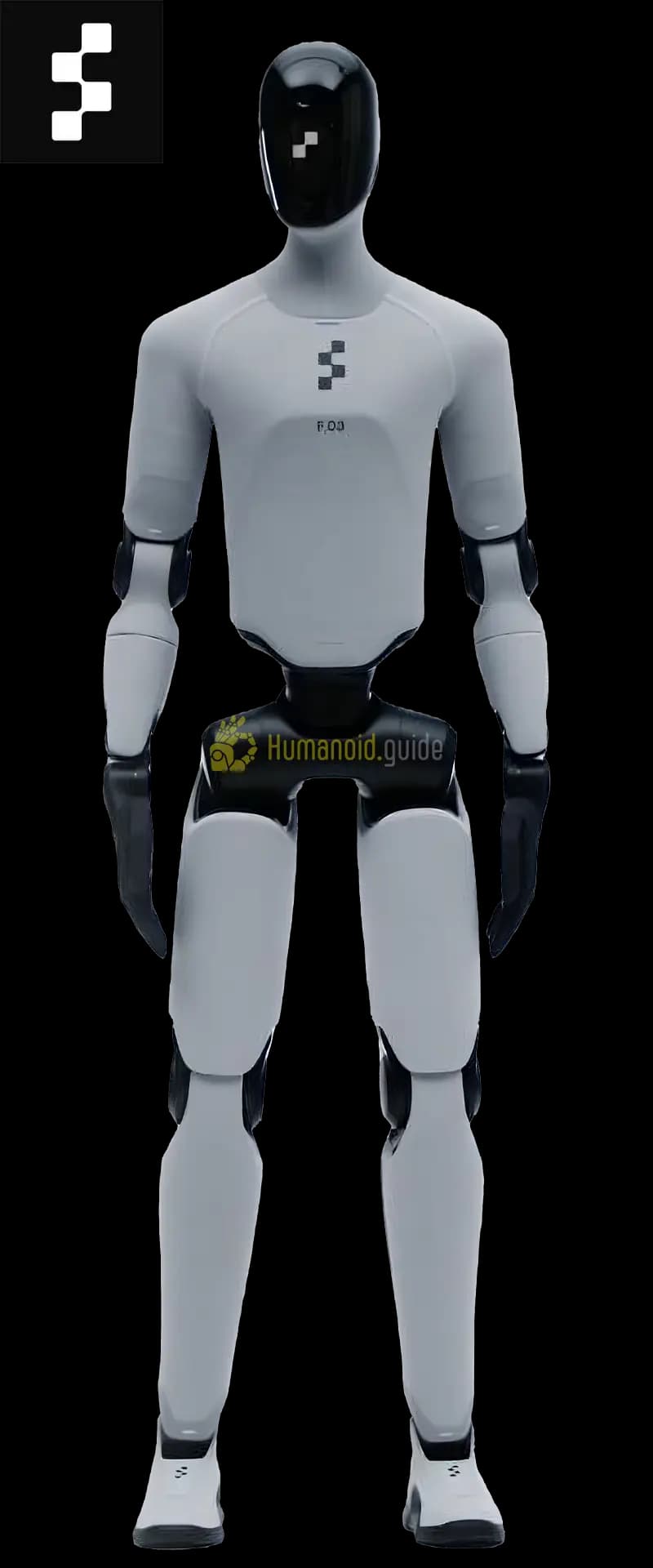
Figure 03
Next-generation autonomous humanoid robot for workforce automation
Contact for pricing
Figure 03 is Figure AI's first home-focused humanoid robot, announced in October 2025 and named TIME Best Invention of 2025. It stands 5'8" (173 cm), weighs 61 kg (134 lbs), carries 20 kg payload, runs 5 hours on wireless inductive charging, and features soft textile coverings, 3-gram tactile sensitivity fingertips, and 2x faster actuators than its predecessor. Powered by Figure AI's proprietary Helix vision-language-action AI, it targets a ~$20,000 consumer price with production from its dedicated BotQ facility.
Released: 2024
Overview
Figure 03 represents the latest evolution in Figure AI's mission to create general-purpose humanoid robots capable of performing useful work in real-world environments. Building on lessons learned from Figure 01 and Figure 02, this third-generation platform incorporates significant improvements in mechanical design, sensory perception, and artificial intelligence integration.
The robot is designed with a human-like form factor to seamlessly operate in environments built for human workers, eliminating the need for facility modifications. Figure AI has partnered with major corporations including BMW Manufacturing for pilot deployments, where Figure 03 performs tasks such as material handling, parts insertion, and quality inspection.
Powered by advanced neural networks and multimodal AI models developed in collaboration with OpenAI, Figure 03 can understand natural language commands, reason about its environment, and adapt to new tasks with minimal programming. This makes it uniquely suited for dynamic commercial environments where flexibility and quick redeployment are essential.
Key Features
- Advanced AI Integration: Powered by multimodal AI models enabling natural language understanding and real-time visual reasoning
- Human-like Dexterity: Articulated hands with multiple degrees of freedom for manipulation of diverse objects and tools
- Bipedal Locomotion: Stable walking capabilities for navigating complex warehouse and factory environments
- Safe Human Collaboration: Integrated safety systems and compliant actuators for working alongside human workers
- Rapid Task Learning: Machine learning architecture enables quick adaptation to new tasks and workflows
- Commercial-grade Durability: Robust construction designed for continuous operation in industrial settings
Applications
Figure 03 is primarily targeted at labor-intensive industries facing workforce shortages and seeking automation solutions. In manufacturing facilities, the robot performs repetitive tasks such as parts assembly, material transfer, bin picking, and machine tending. Warehouse and logistics operations leverage Figure 03 for order fulfillment, inventory management, and package handling.
Beyond industrial applications, Figure AI envisions broader deployment in retail stockrooms, healthcare facilities for material transport, and eventually consumer applications. The robot's ability to understand natural language and adapt to changing requirements makes it suitable for environments where traditional fixed automation is impractical or cost-prohibitive.
Technical Highlights
Figure 03's core technical advancement lies in its integration of end-to-end neural networks that process visual, language, and proprioceptive inputs to generate coordinated whole-body actions. Unlike traditional robots requiring extensive programming for each task, Figure 03 learns from demonstration and natural language instruction, significantly reducing deployment time and cost.
The robot's mechanical architecture features custom-designed actuators optimized for the unique demands of humanoid locomotion and manipulation. Advanced computer vision systems enable real-time 3D scene understanding, object recognition, and grasp planning. The onboard computing platform processes AI models locally for low-latency responses while maintaining connectivity to cloud services for continuous learning and software updates.
Figure 03: From Factory to Home
The Figure 03 was announced in October 2025 and named TIME Best Invention of 2025. Unlike the industrial Figure 02 (deployed at BMW), Figure 03 is designed for consumer home environments. The robot features soft washable textile coverings instead of hard plastic, wireless inductive foot-coil charging (2 kW), and 3-gram tactile sensitivity. BotQ, Figure AI's dedicated manufacturing facility, started at 12,000 units/year capacity in early 2026 with plans to scale to 100,000 units over four years. Figure AI's $39 billion valuation is backed by NVIDIA, Jeff Bezos, Microsoft, Intel, Qualcomm, T-Mobile, Salesforce, and Brookfield.
Key Improvements Over Figure 02
- 9% lighter (61 kg vs 70 kg) for easier maneuvering in tight home spaces
- 2x faster actuators for more responsive movement and manipulation
- Wireless inductive charging via foot coils (2 kW) — steps onto pad autonomously
- Soft textile covering: washable, replaceable without tools, safe for home contact
- 3-gram tactile sensitivity in fingertips — can detect a paperclip's weight
- Palm cameras embedded in each hand for close-range visual feedback
- 2x camera frame rate, 75% lower latency, 60% wider field of view
- 10 Gbps mmWave data offload for fleet-wide learning
- 30 degrees of freedom total (20 DOF in hands)
- Helix AI learns new tasks from approximately 80 hours of demonstration footage
Helix AI: How Figure 03 Learns
Helix is Figure's vision-language-action (VLA) model that learns tasks from demonstration videos rather than explicit programming. Figure achieved towel-folding capability with only 80 hours of training footage. The Figure 03 introduces significant sensor upgrades: 2x frame rate, 75% lower latency in visual processing, 60% wider field of view, palm cameras in each hand, and 10 Gbps mmWave data offload enabling fleet-wide learning. Proprietary fingertip tactile sensors detect forces as small as 3 grams. Helix uses a dual system: System 2 handles high-level planning and System 1 provides low-level motor control.
Demonstrated Capabilities and Target Use Cases
Figure 03 has successfully demonstrated: folding towels and laundry, loading dishwashers, clearing clutter from tables, loading washer/dryer, navigating household environments, and speech-based task delegation. Consumer home availability is targeted for late 2026, with enterprise/industrial deployments potentially available sooner. The ~$20,000 target price positions it for early adopters with $20K+ budgets once broadly available.
Videos
Specifications
Mechanics
| Locomotion | Bipedal |
Similar Robots
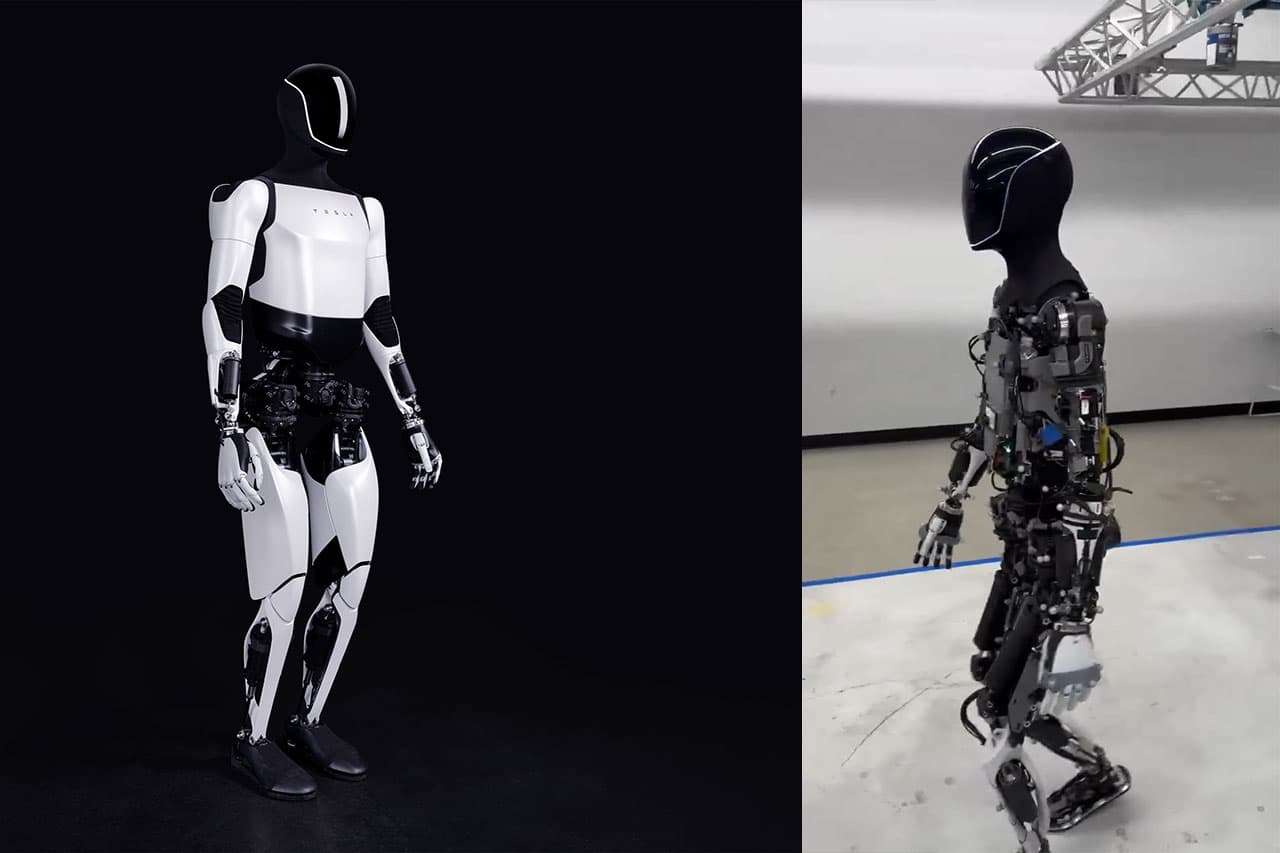
Tesla Optimus Gen 3
Tesla
Tesla Optimus Gen 3 available on Robozaps.
From $25,000
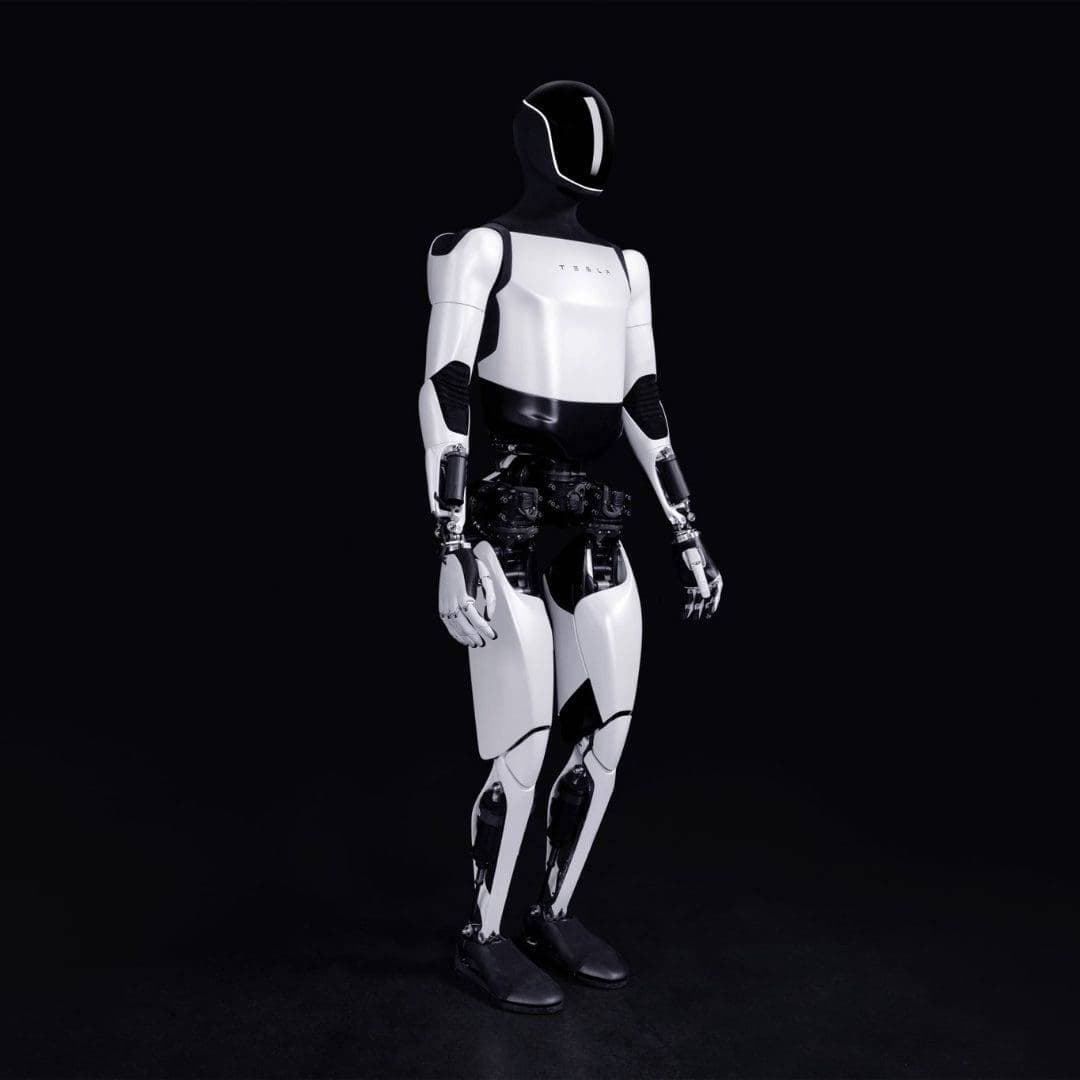
Tesla Optimus Gen 2
Tesla
Tesla Optimus Gen 2 available on Robozaps.
From $20,000
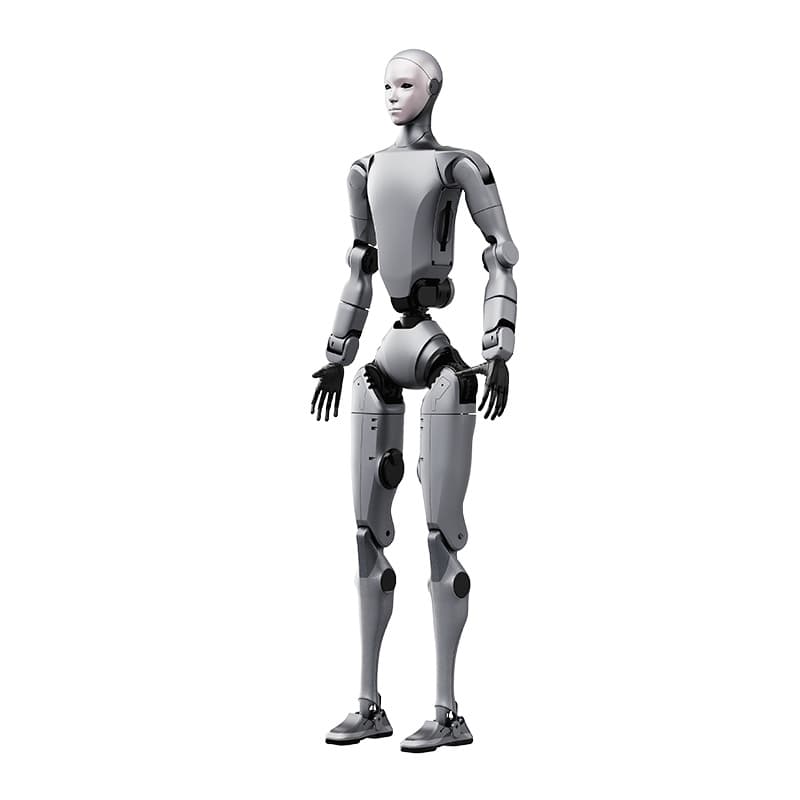
Unitree H2
Unitree Robotics
Unitree H2 robot for commercial applications.
From $29,900
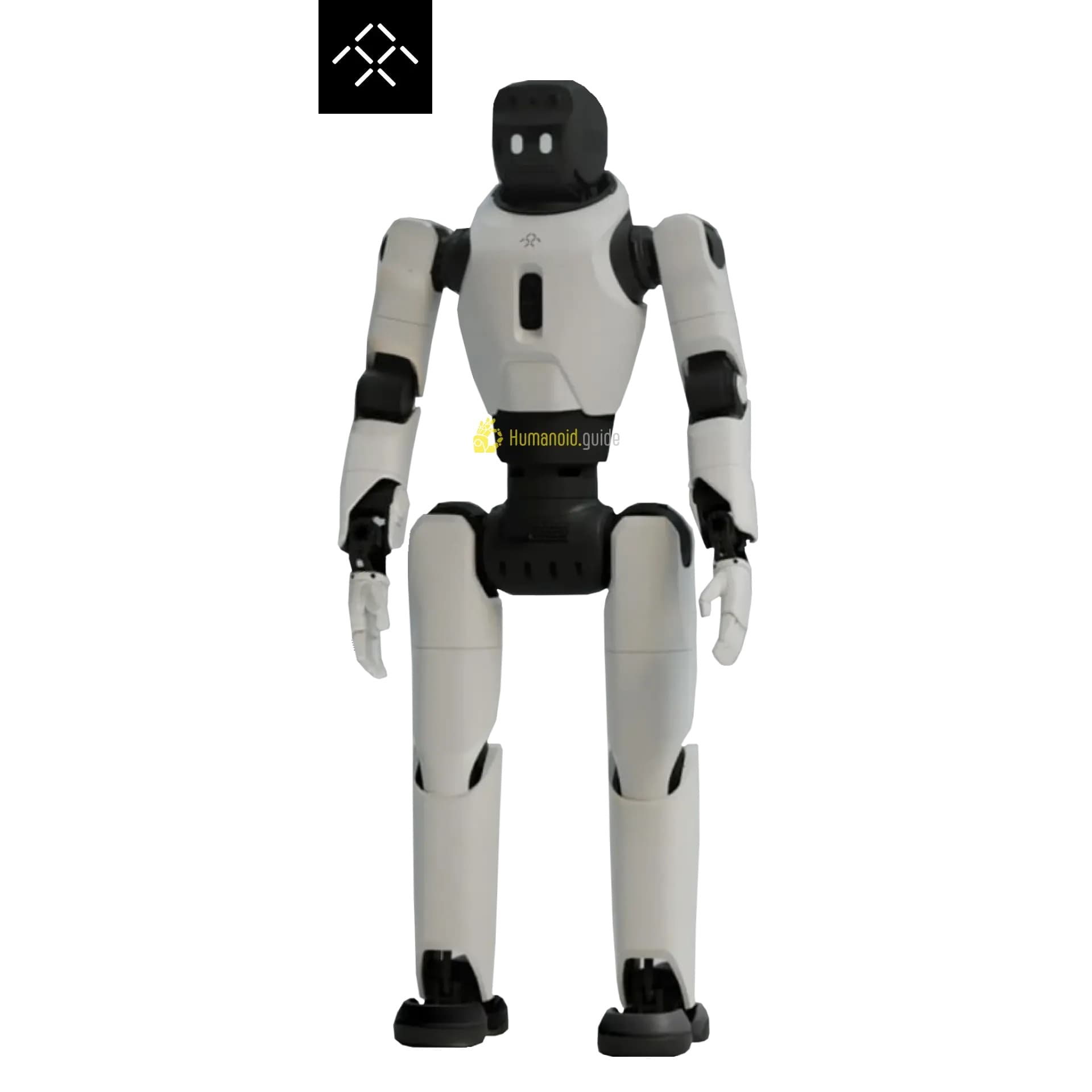
FF Master
Faraday Future
FF Master robot for commercial applications.
From $23,000
Ready to deploy Figure 03?
Tell us about your use case and we'll help you evaluate this solution.