ABB SWIFTI
Scaled DeploymentABB
- Price
- $25,000 – $34,000
- US status
- Not recorded
Industrial cobots for sale range from compact collaborative arms to palletizing-class systems, with established distributor networks and increasingly transparent list prices. The table below shows source-verified pricing and current availability for every industrial cobot in the RoboZaps database — Universal Robots' e-Series, ABB's collaborative line, KUKA, Franka, Kinova and the DOBOT CR family.
21 industrial cobots tracked · 16 with source-verified pricing · 18 commercially active
Every price carries its basis — official list, reported range or preorder guidance — and every availability claim links back to a primary source on the product page.
US status reflects radio-equipment authorizations located in the FCC's own register; Not recorded means no row has been checked yet, not a legality finding.
ABB
ABB
ABB
KUKA
KUKA
Kinova Robotics
Kinova Robotics
Kinova Robotics
Rethink Robotics
Rethink Robotics
Universal Robots
Universal Robots
Universal Robots
Universal Robots
Universal Robots
Universal Robots
Franka Robotics
Dobot
Dobot
Dobot
Dobot
Unlike desktop arms, most industrial cobots sell through authorized distributors and integrators rather than a checkout page. The distributor quotes the arm, but the integrator prices the cell: gripper, safety assessment, fixturing, programming and commissioning. Expect the full deployment to cost a multiple of the arm itself, and treat any bare arm price as a floor.
Cobot lines are tiered by payload and reach — from small parts handling up to palletizing-class machines. Pick the tier from the heaviest part plus the gripper's own weight, then compare repeatability, cycle speed and certified safety functions within that tier. Buying more payload than the job needs is the most common way to overspend.
Every price carries a basis label — an official list price, a reported range or distributor guidance — sourced from the manufacturer, an authorized distributor or the press. Cobot makers vary widely here: some publish list prices, others quote only through channel partners, and the table says which is which instead of blending them.
A comparable cobot quote covers the controller and teach pendant, end-effector, software licences and their renewal terms, the safety/risk assessment, integration and commissioning labour, training, warranty scope, response-time commitments and spare-part availability. Two quotes that differ on any of these are not the same price.
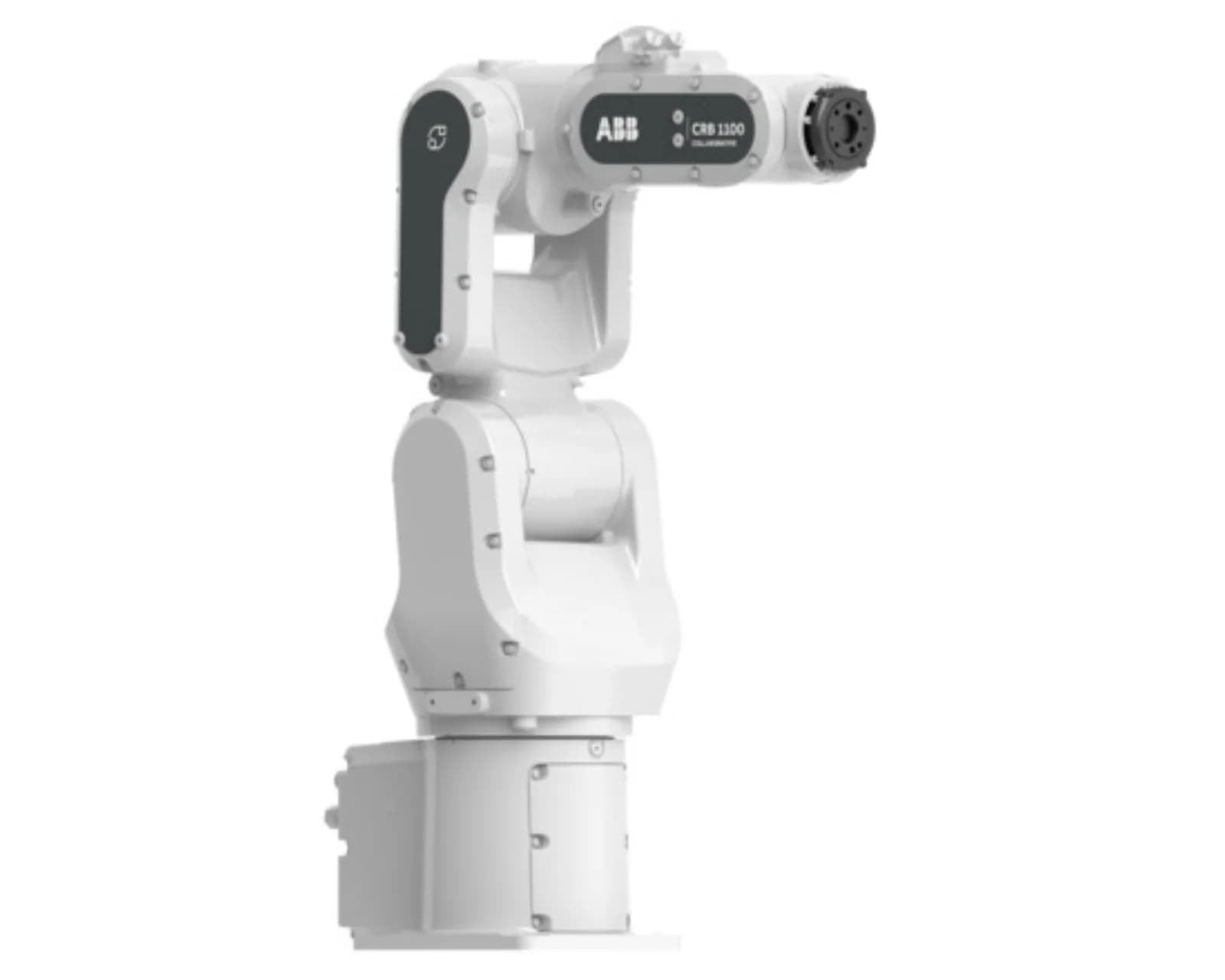
ABB
ABB's high-speed collaborative industrial robot that combines fenceless cobot safety with industrial-grade speed and precision for assembly and handling tasks.
$25,000 – $34,000
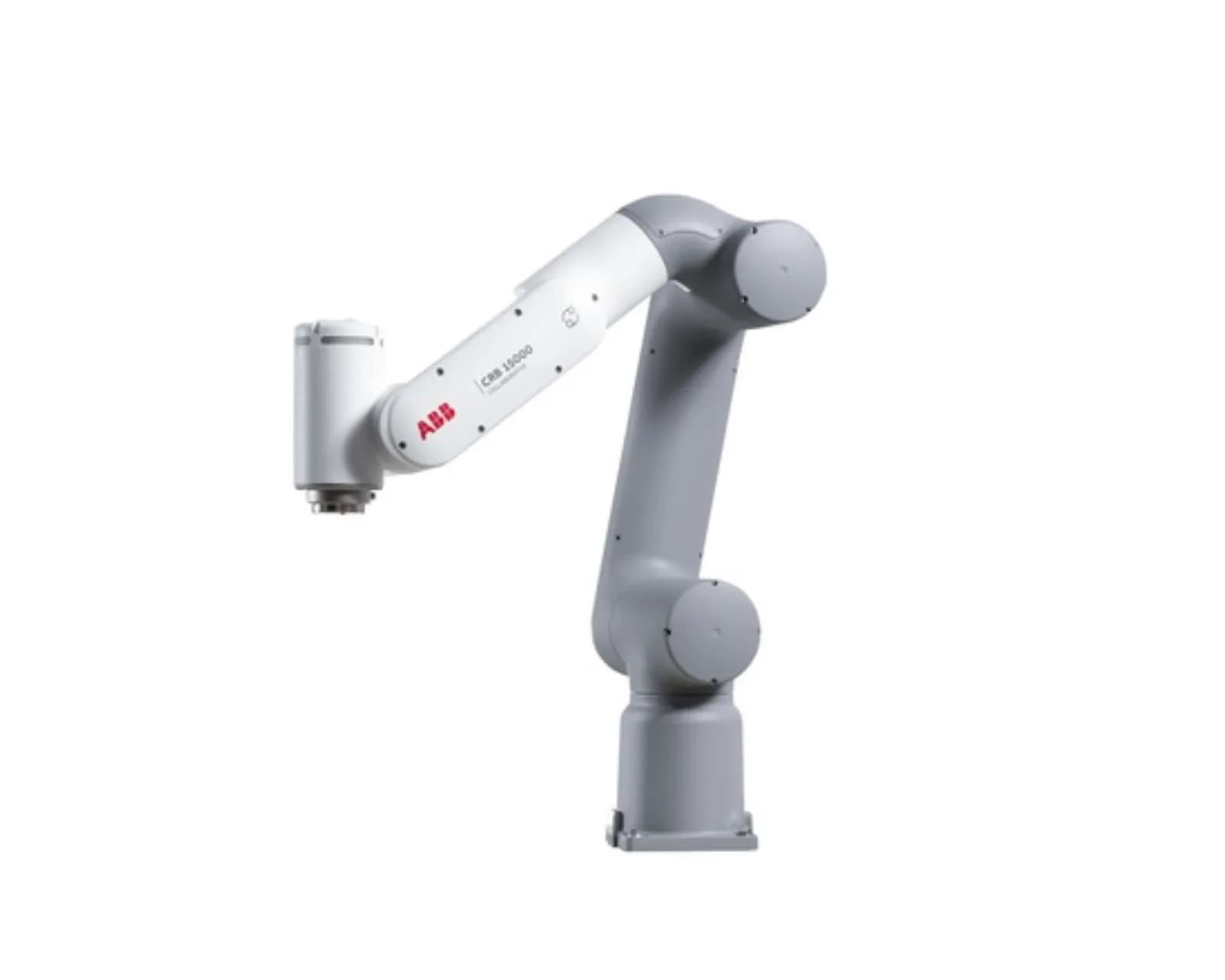
ABB
ABB's GoFa is a six-axis collaborative robot family built for safe, cage-free human-robot collaboration across tasks like machine tending and assembly.
$39,000 – $50,000
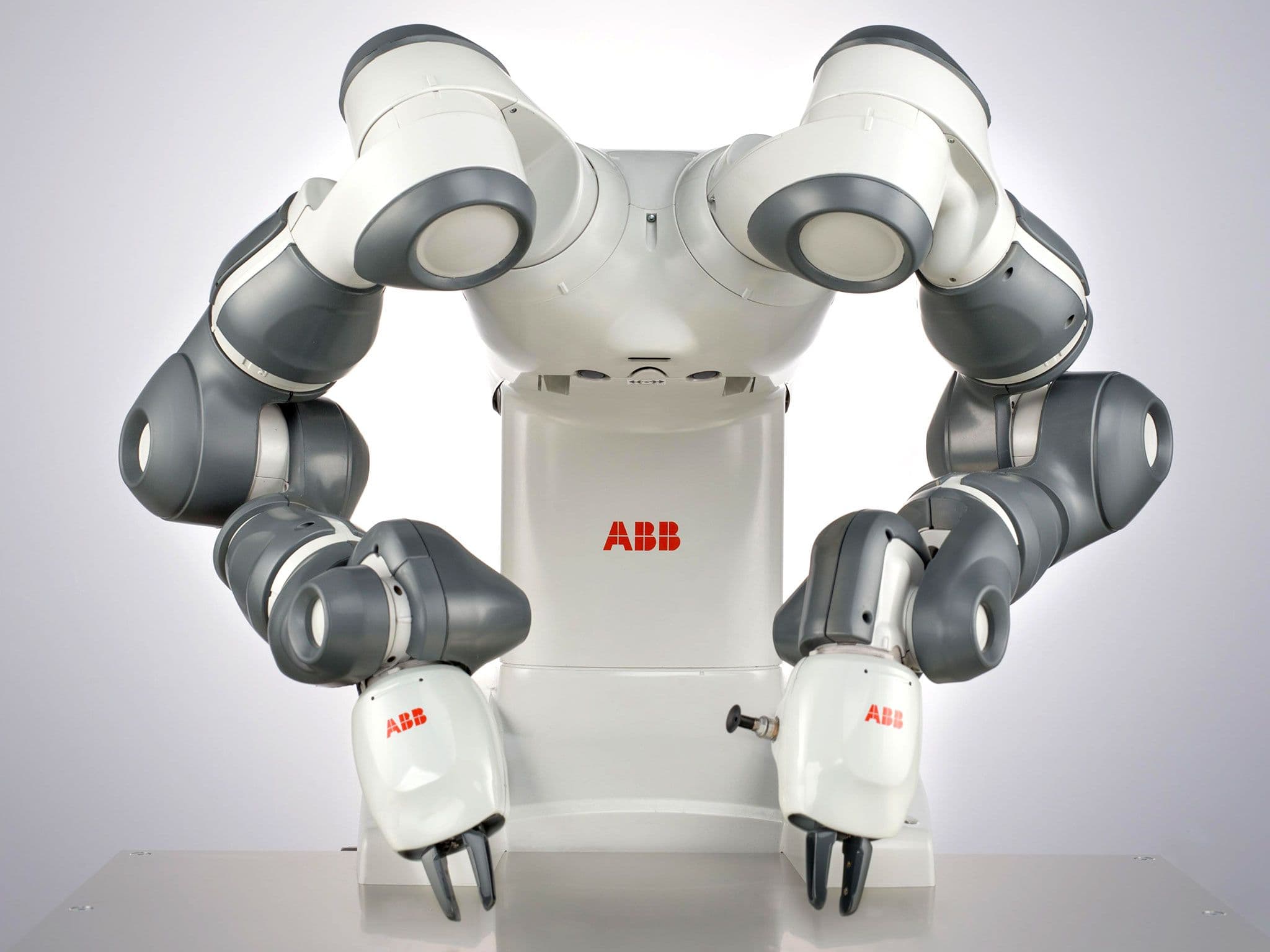
ABB
ABB's dual-arm collaborative robot (IRB 14000) for precise small parts assembly, designed to work safely alongside people without barriers.
$45,000 – $60,000
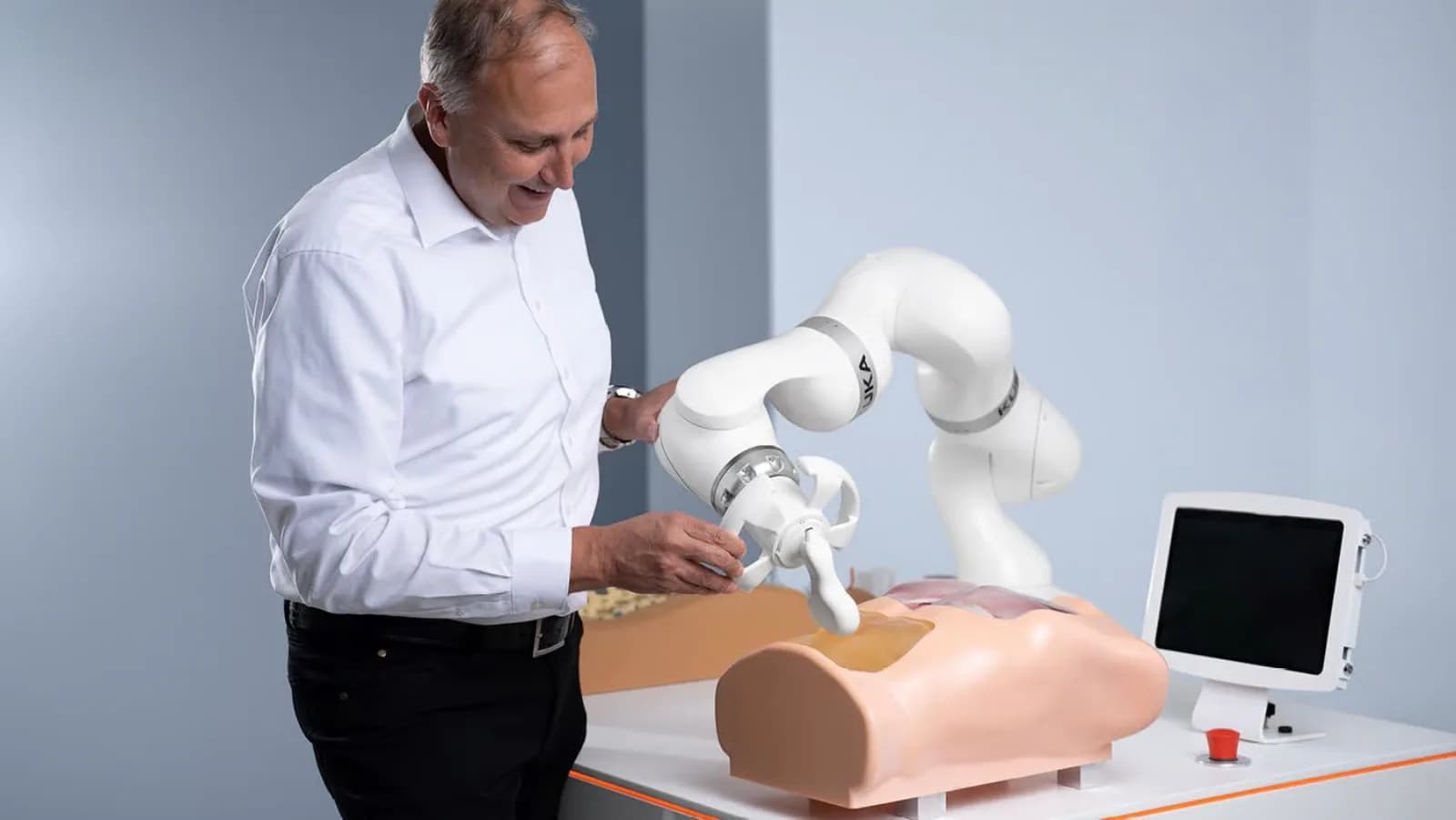
KUKA
KUKA's sensitive seven-axis lightweight cobot, certified for integration into medical products and clinical systems.
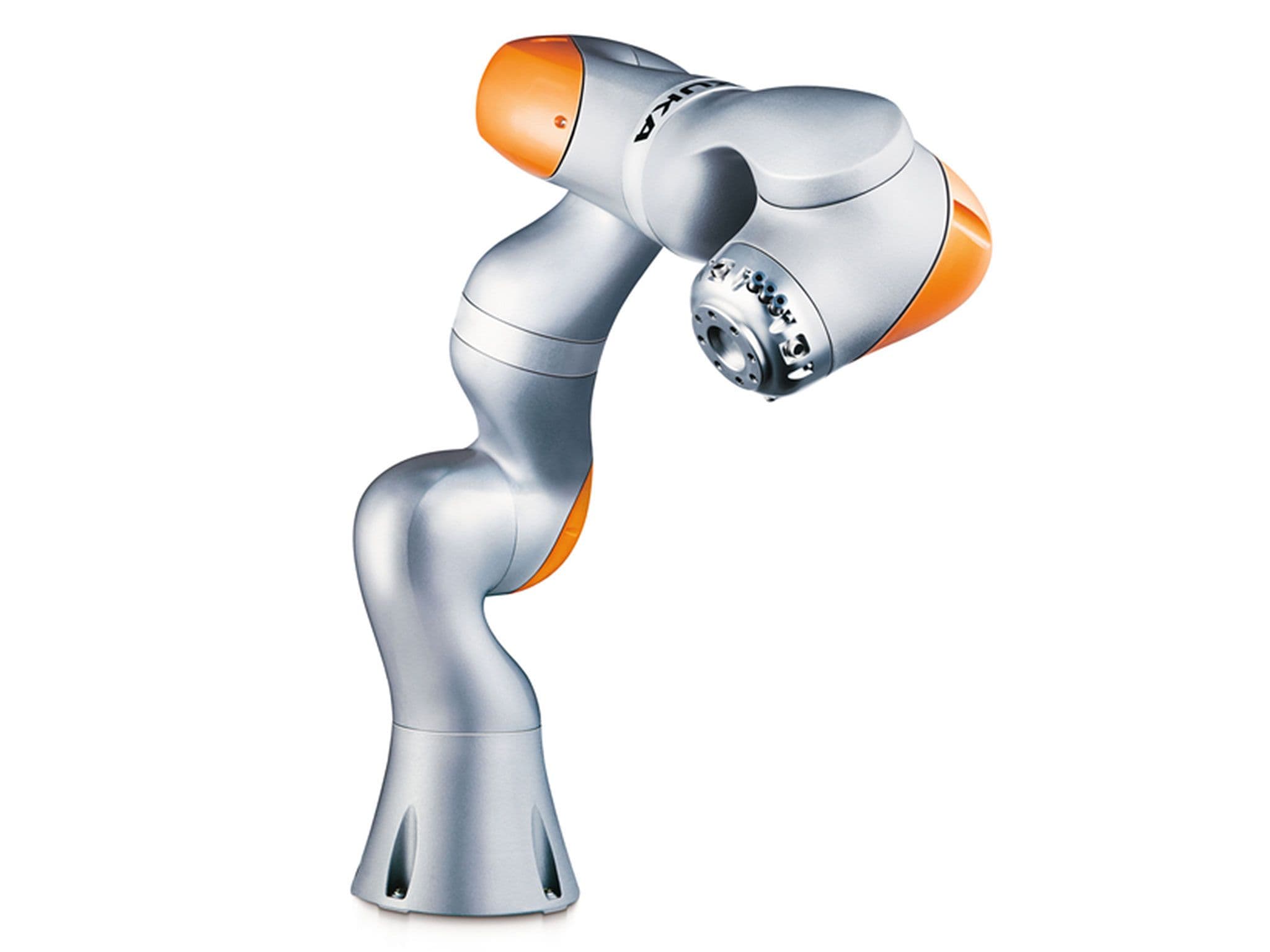
KUKA
KUKA's sensitive, lightweight 7-axis collaborative robot with joint torque sensors in every axis for safe human-robot collaboration.
$60,000 – $80,000
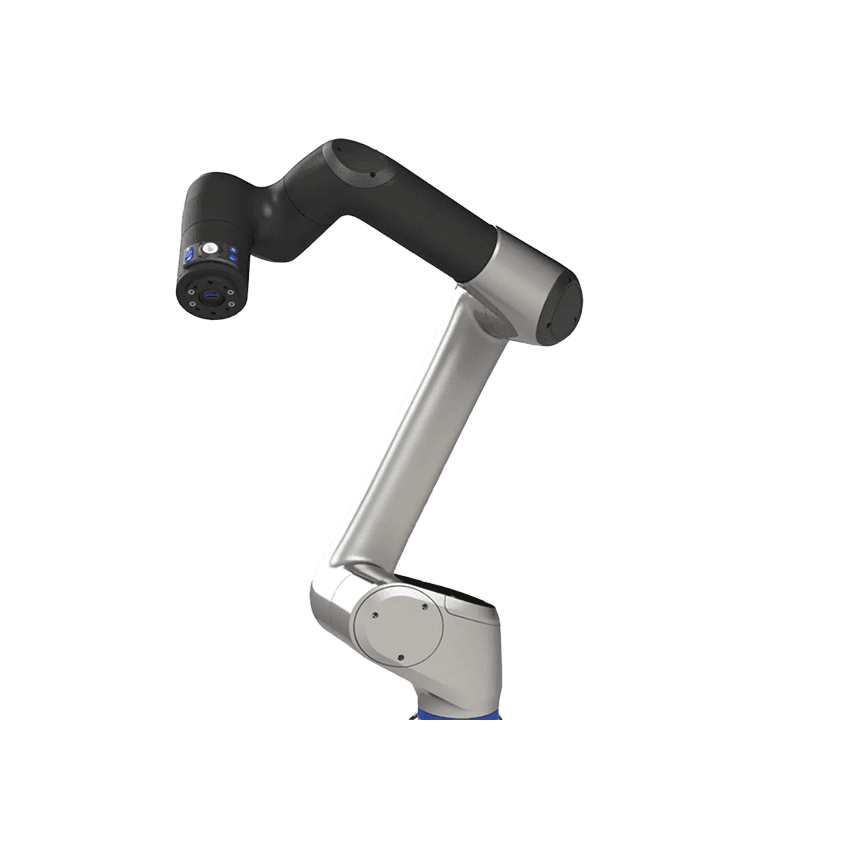
Kinova Robotics
Kinova's Canadian-built industrial collaborative robot arm with no-code programming, hand-guiding, and a multi-usage wrist for automation tasks.
$39,500Distributor asking price
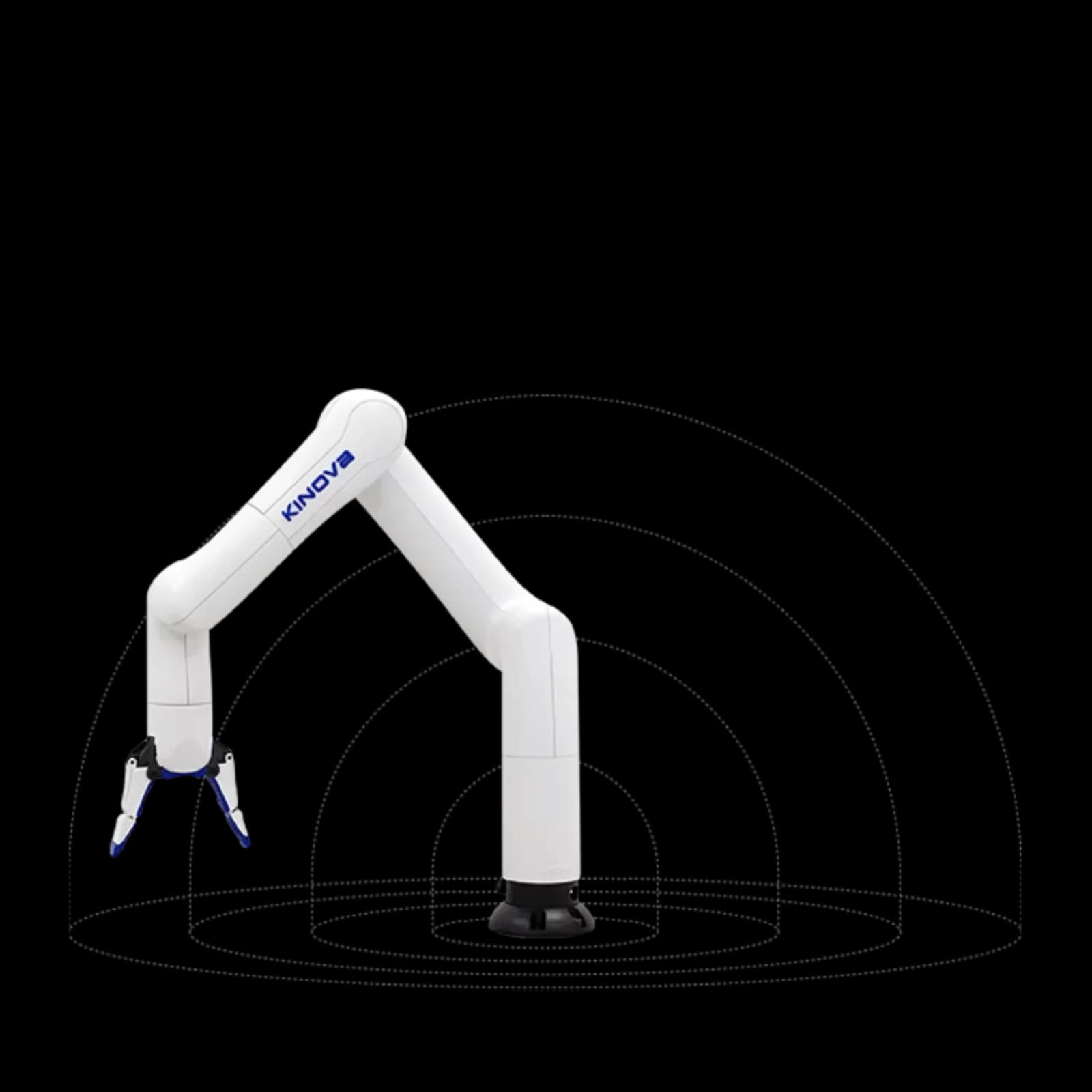
Kinova Robotics
Compact six-axis professional and educational robotic arm from Kinova, running the Kortex API with both graphical and low-level programming.
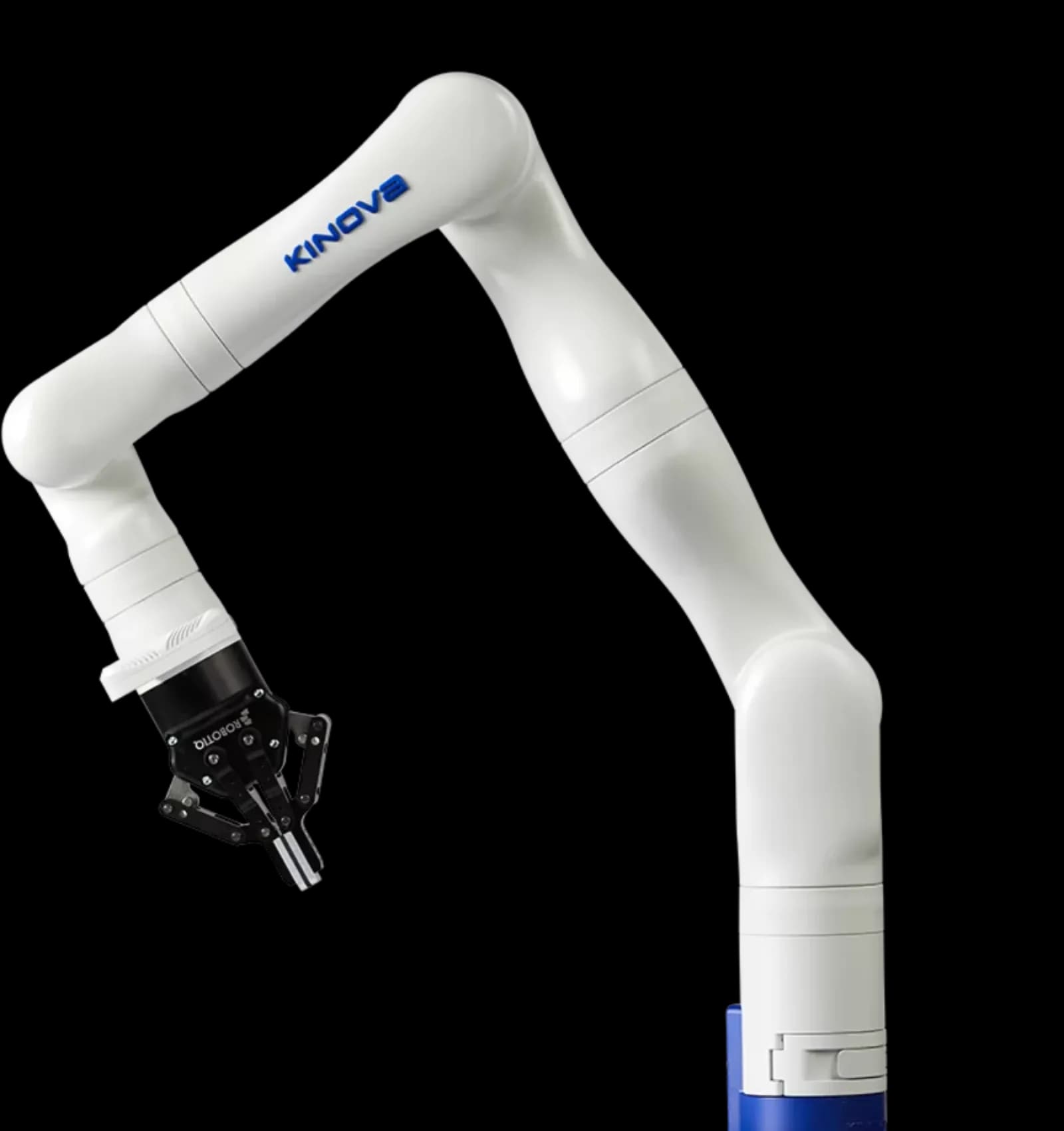
Kinova Robotics
Ultra lightweight, modular research robotic arm available in 6 or 7 DOF, with optional integrated vision and an open API for advanced research and automation.
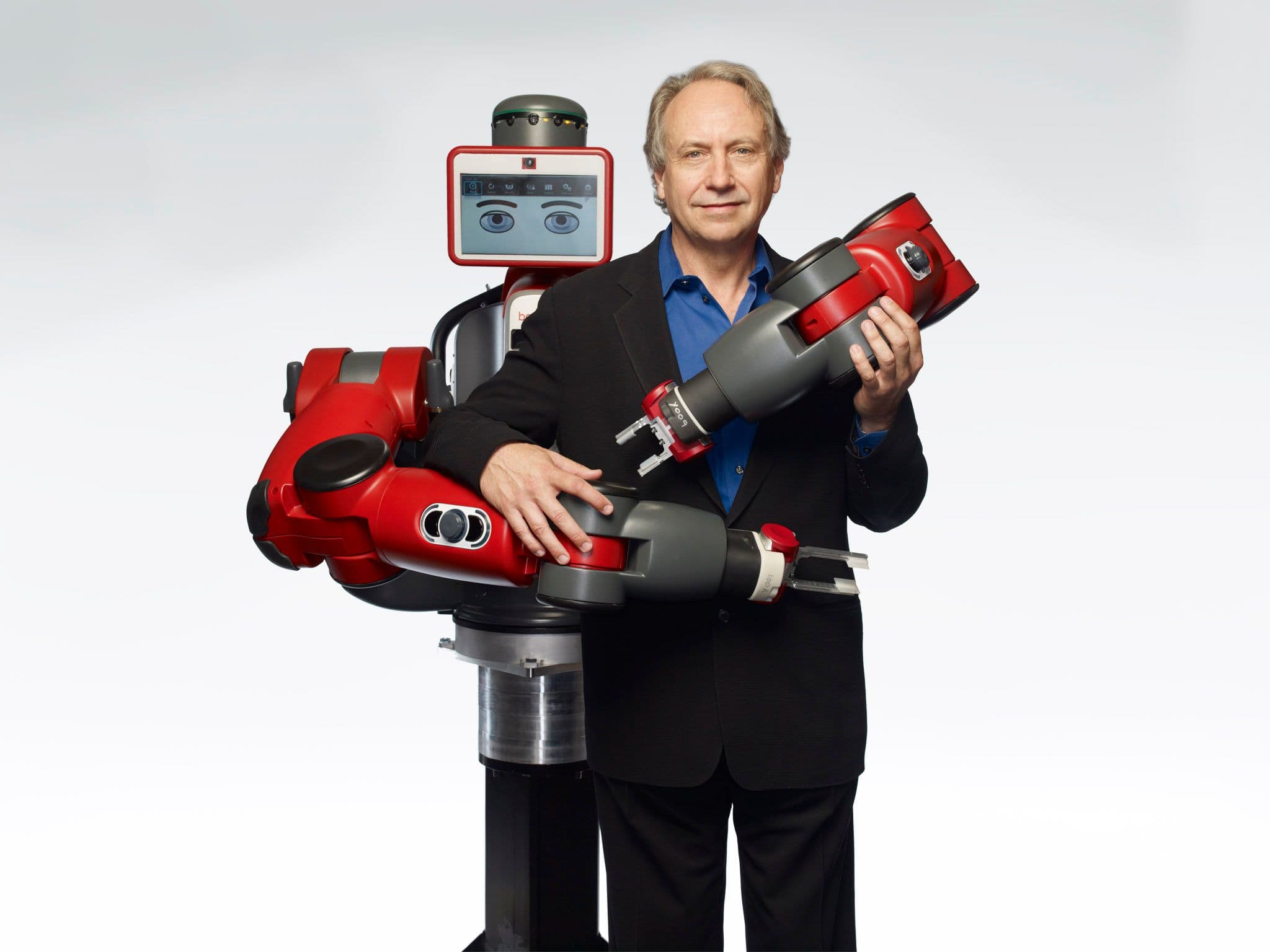
Rethink Robotics
Rethink Robotics' dual-arm collaborative robot with force-sensing arms and an expressive screen face, designed to work safely beside people and be taught by hand-guiding.
Historical record
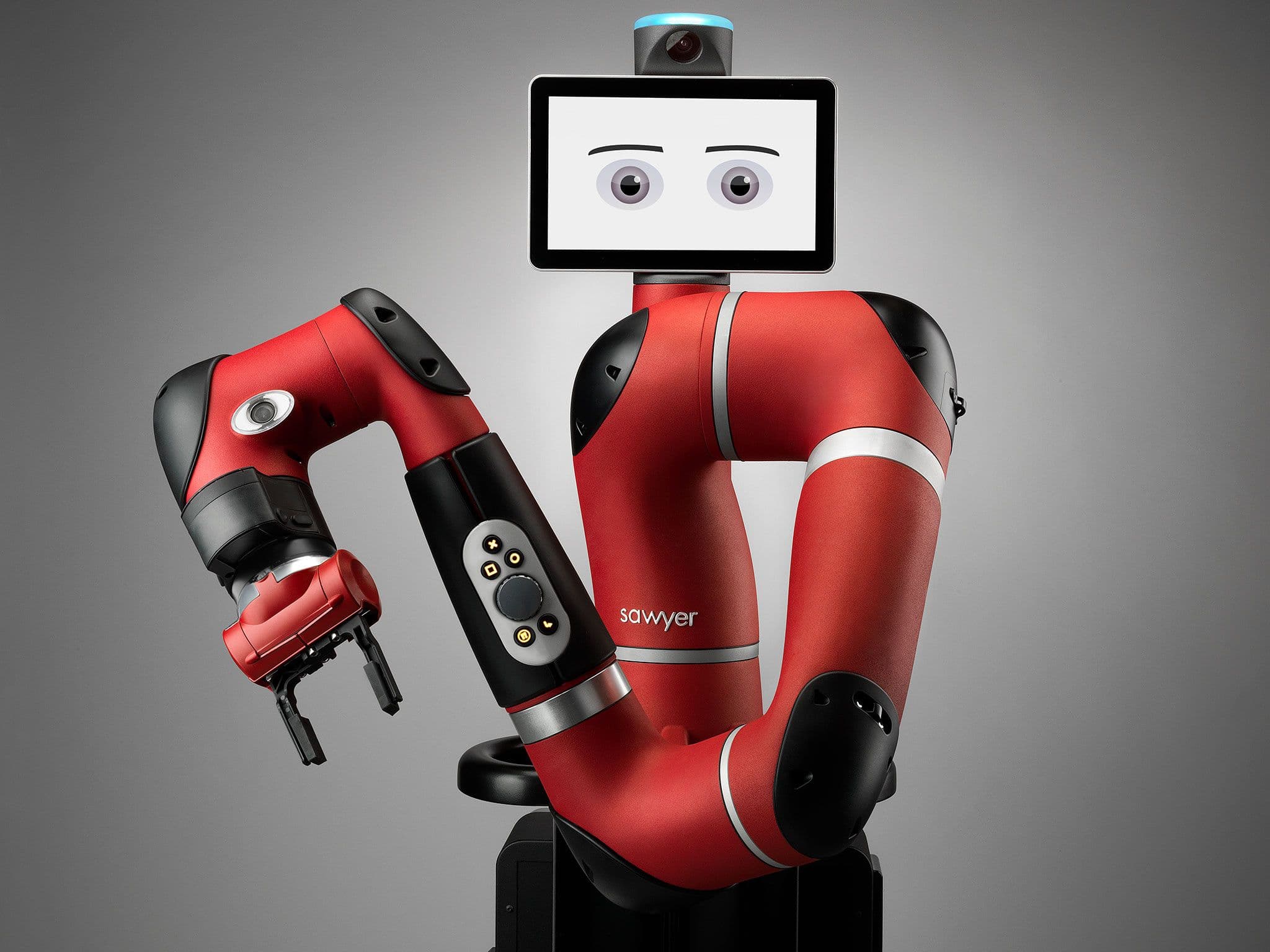
Rethink Robotics
Rethink Robotics' single-arm collaborative robot for precision manufacturing tasks, using embedded joint force sensing for compliant, safe operation alongside people.
$29,000Historical price
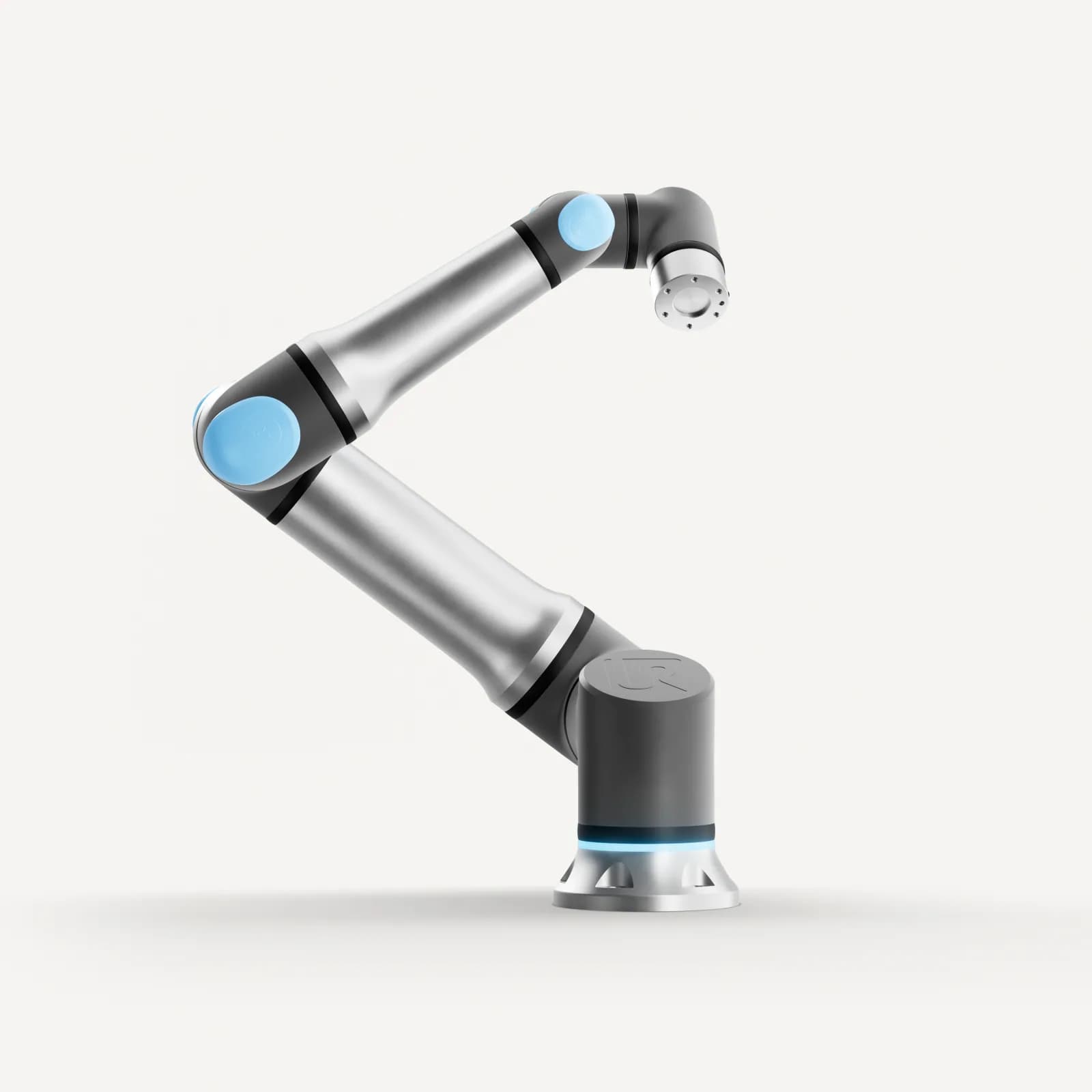
Universal Robots
Universal Robots' compact heavy-payload collaborative robot arm for palletizing, machine tending, and high-torque material handling.
$59,615–$72,848Reported range
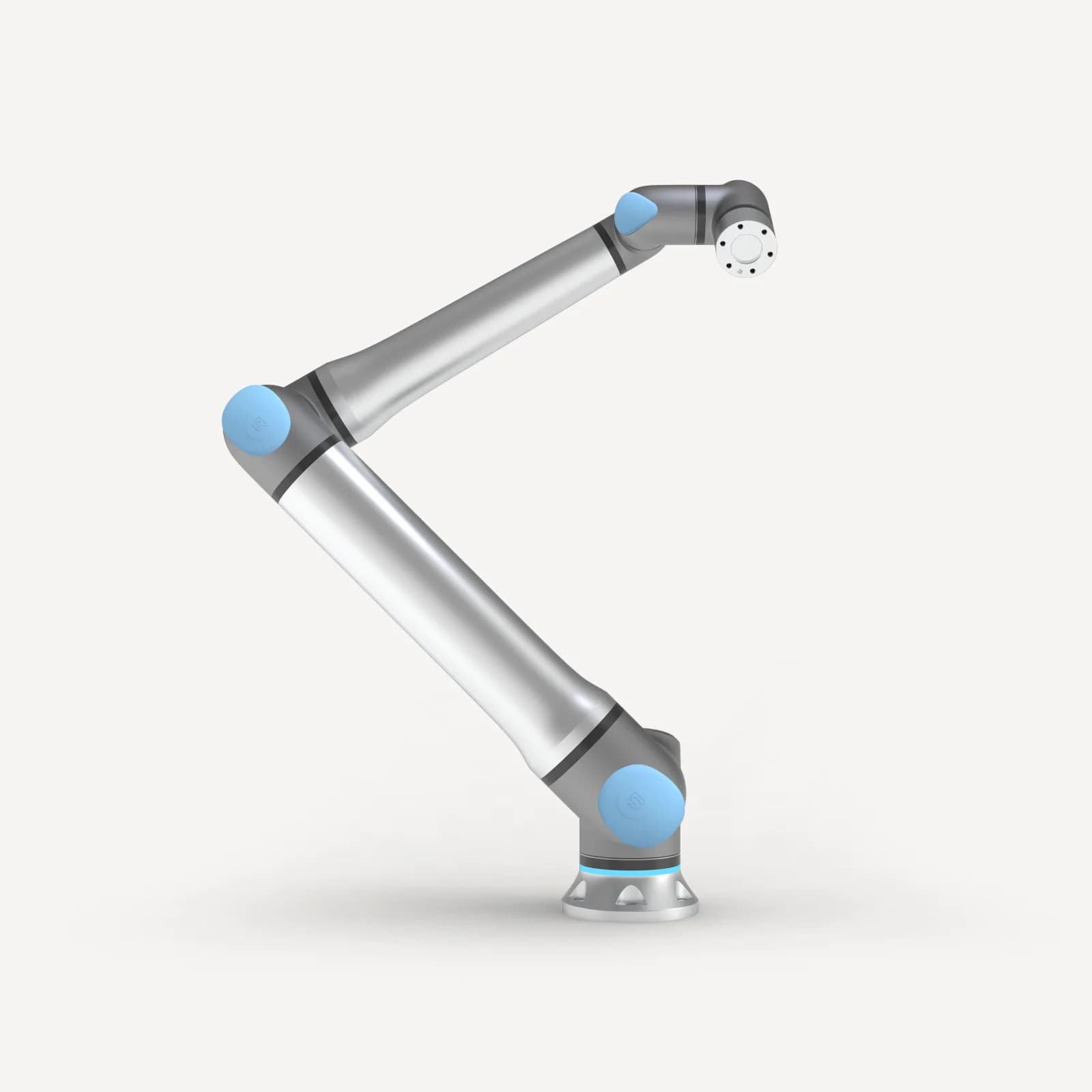
Universal Robots
Universal Robots' next-generation high-payload industrial cobot for palletizing, welding, machine tending, and material handling.
$72,121–$74,844Reported range
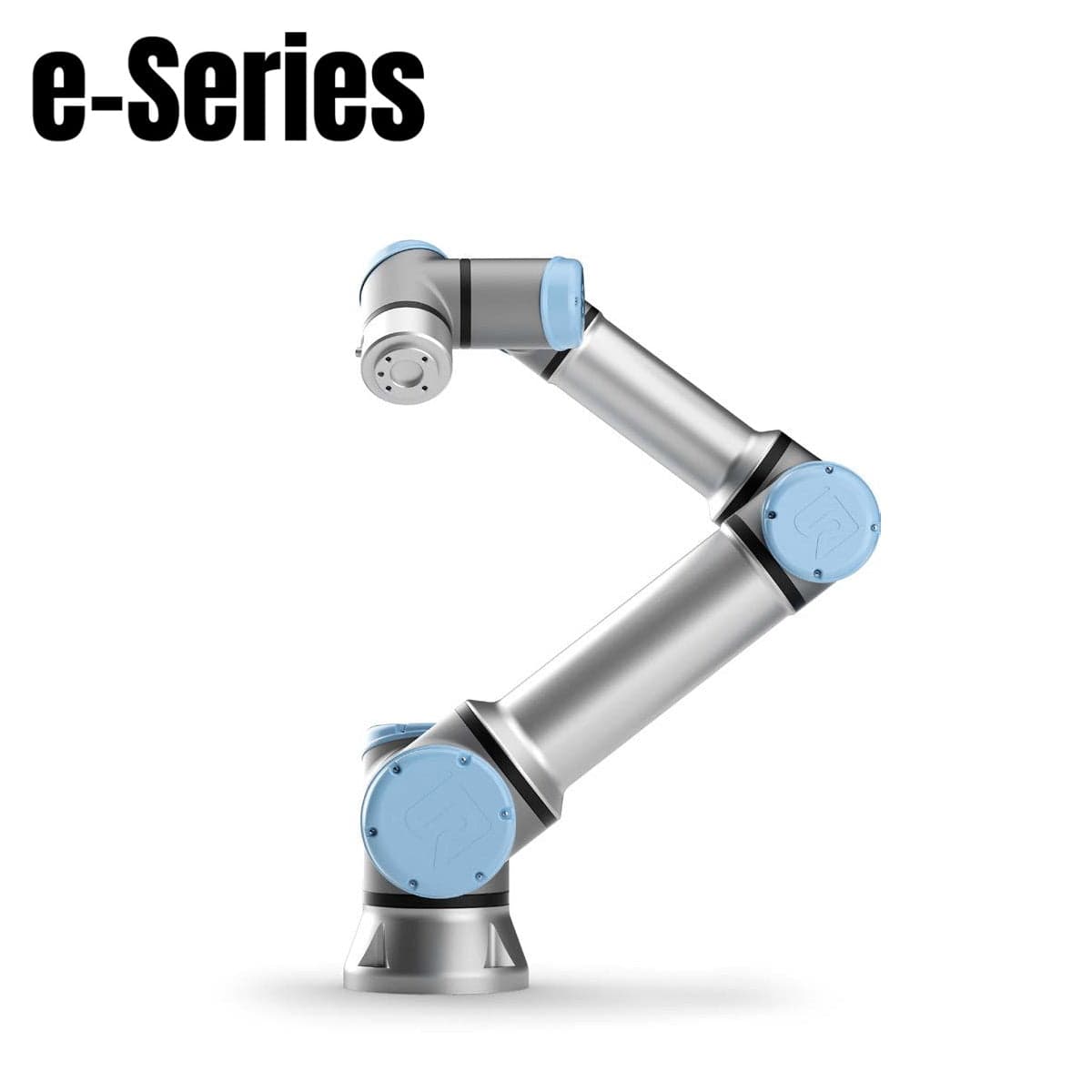
Universal Robots
Universal Robots' heavy-duty, compact e-Series collaborative robot arm for material handling and machine tending.
$59,264–$63,897Reported range
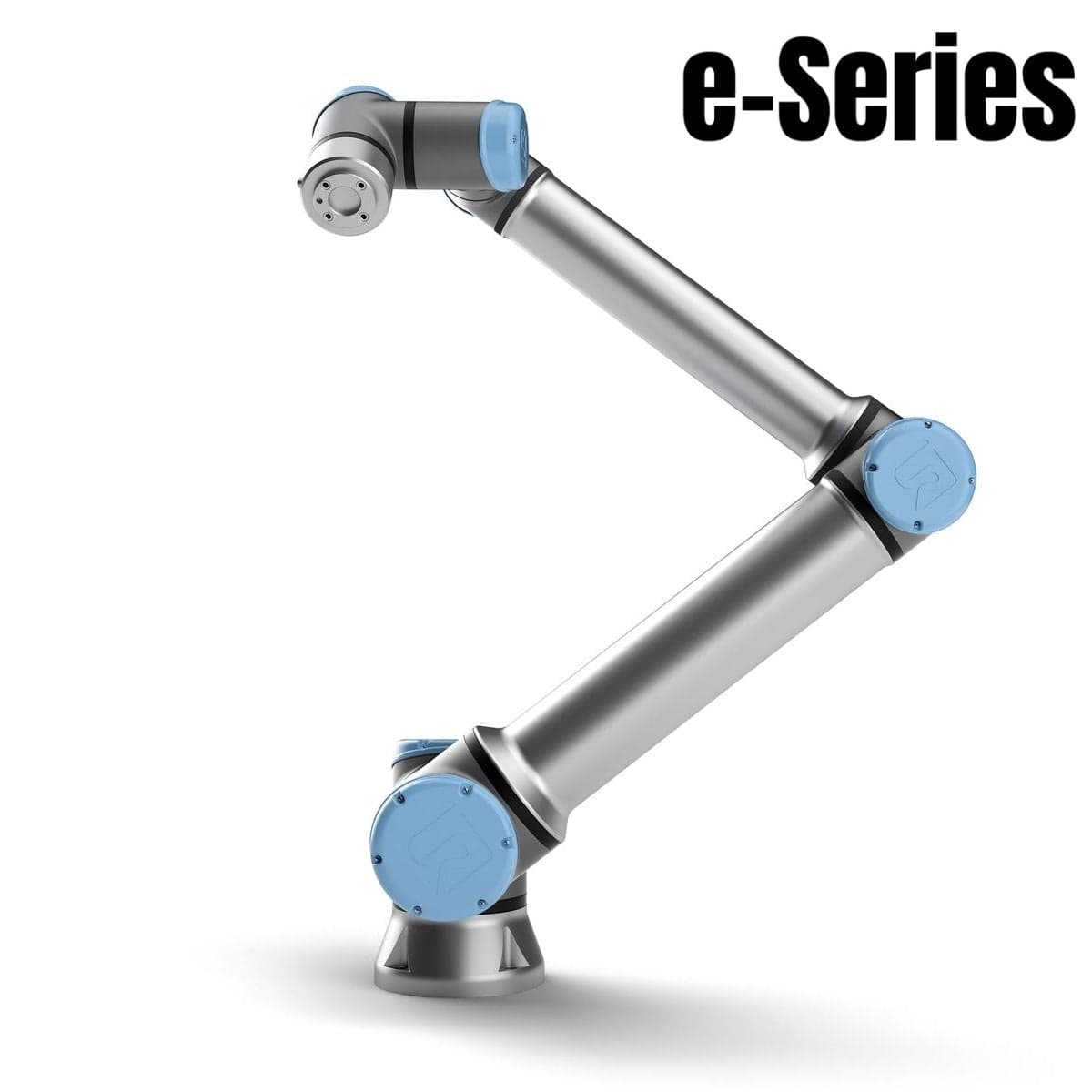
Universal Robots
Universal Robots' versatile e-Series collaborative robot arm built for mid-payload, long-reach industrial automation with built-in force sensing.
$45,000 – $58,000
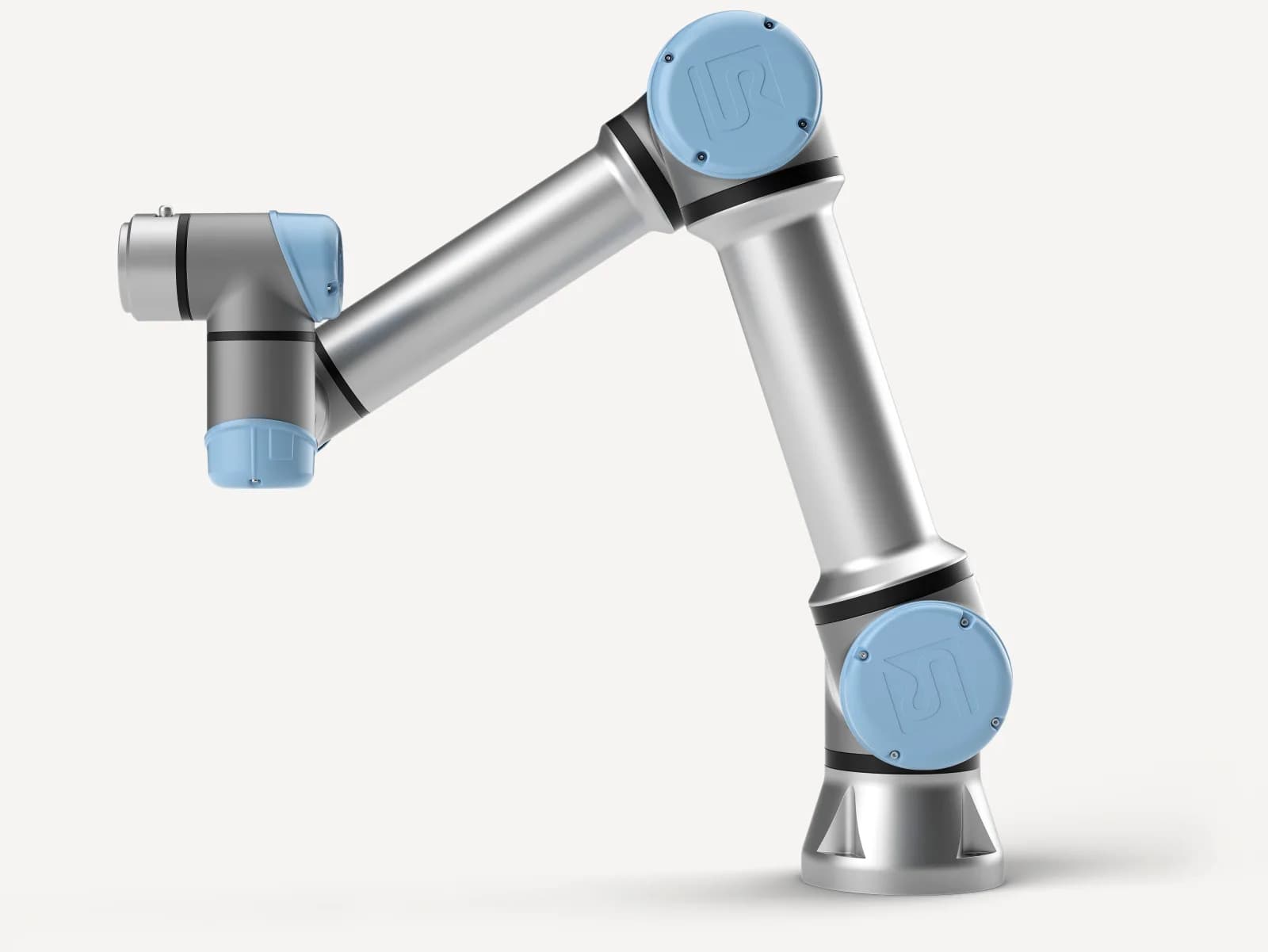
Universal Robots
A six-axis e-Series collaborative robot arm from Universal Robots for medium-duty automation, since upgraded to the UR7e.
$35,000 – $48,000
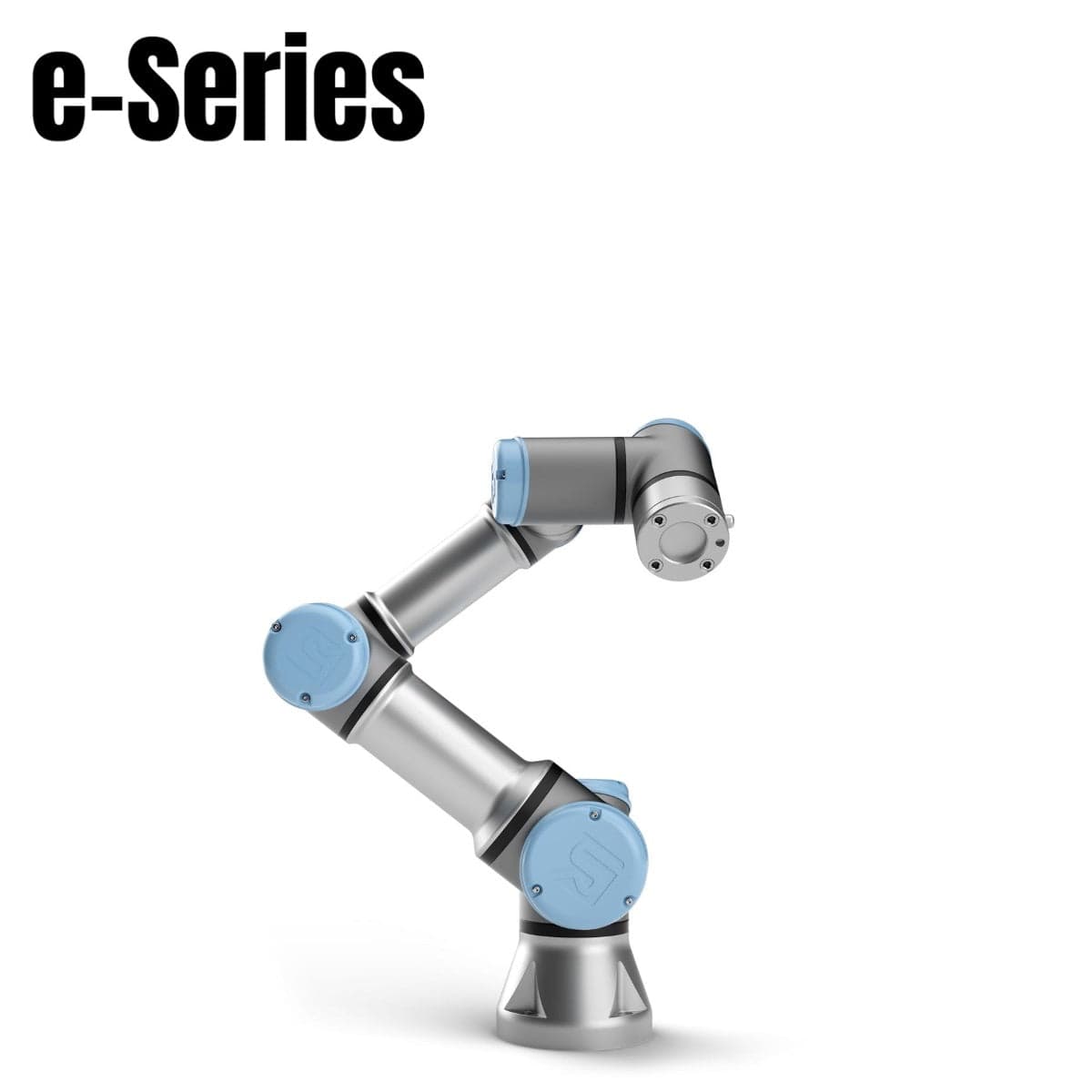
Universal Robots
Universal Robots' smallest e-Series collaborative robot arm, designed for light assembly and bench-top automation in tight workspaces.
$36,911–$42,214Reported range
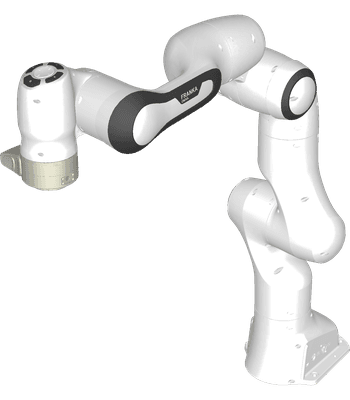
Franka Robotics
Sensitive, torque-controlled seven-axis collaborative robot arm from Franka Emika, widely used in robotics and AI research before being discontinued.
Historical record
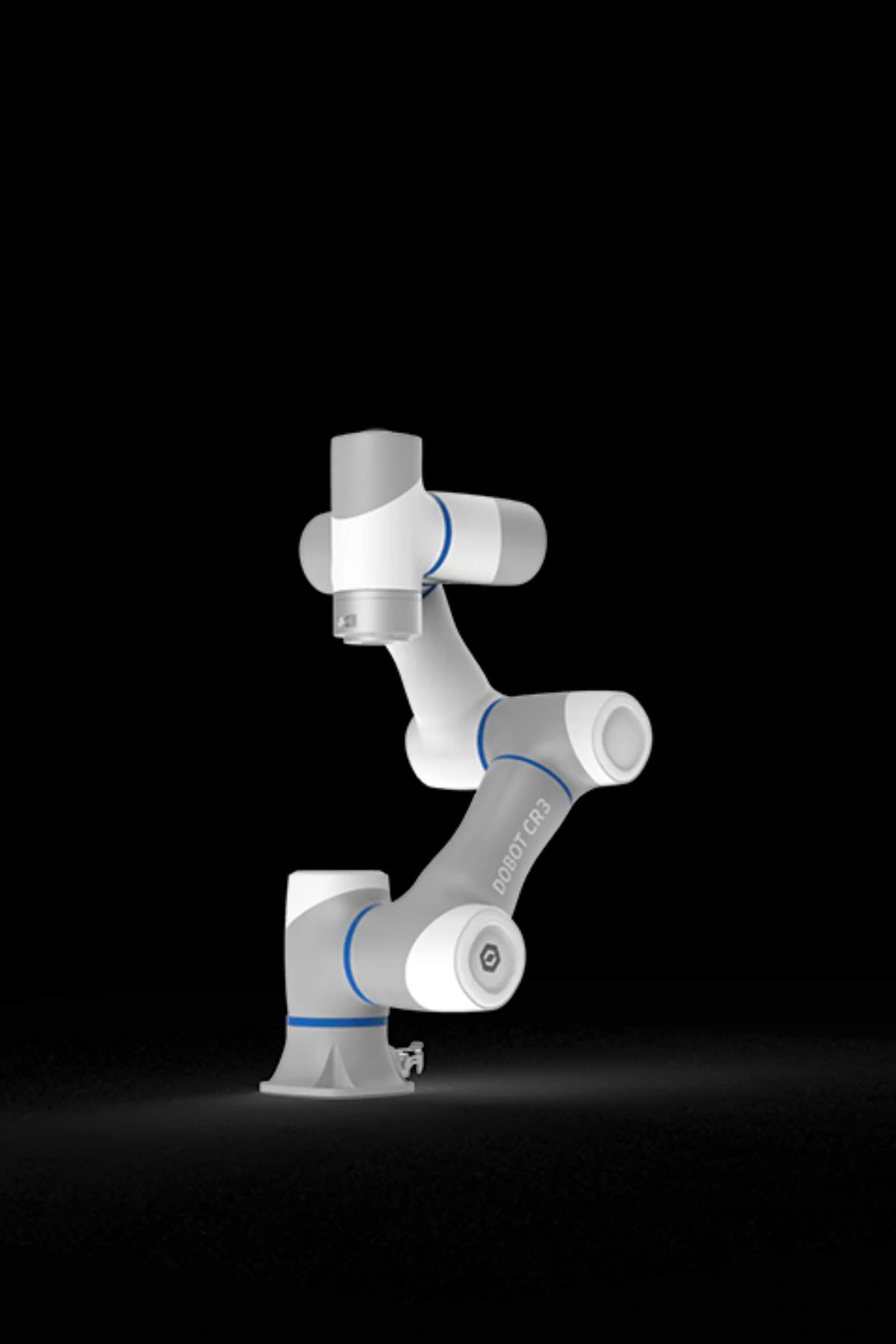
Dobot
Dobot's compact six-axis collaborative robot arm for light handling and flexible automation in retail, light industrial, and educational settings.
$19,790Distributor asking price
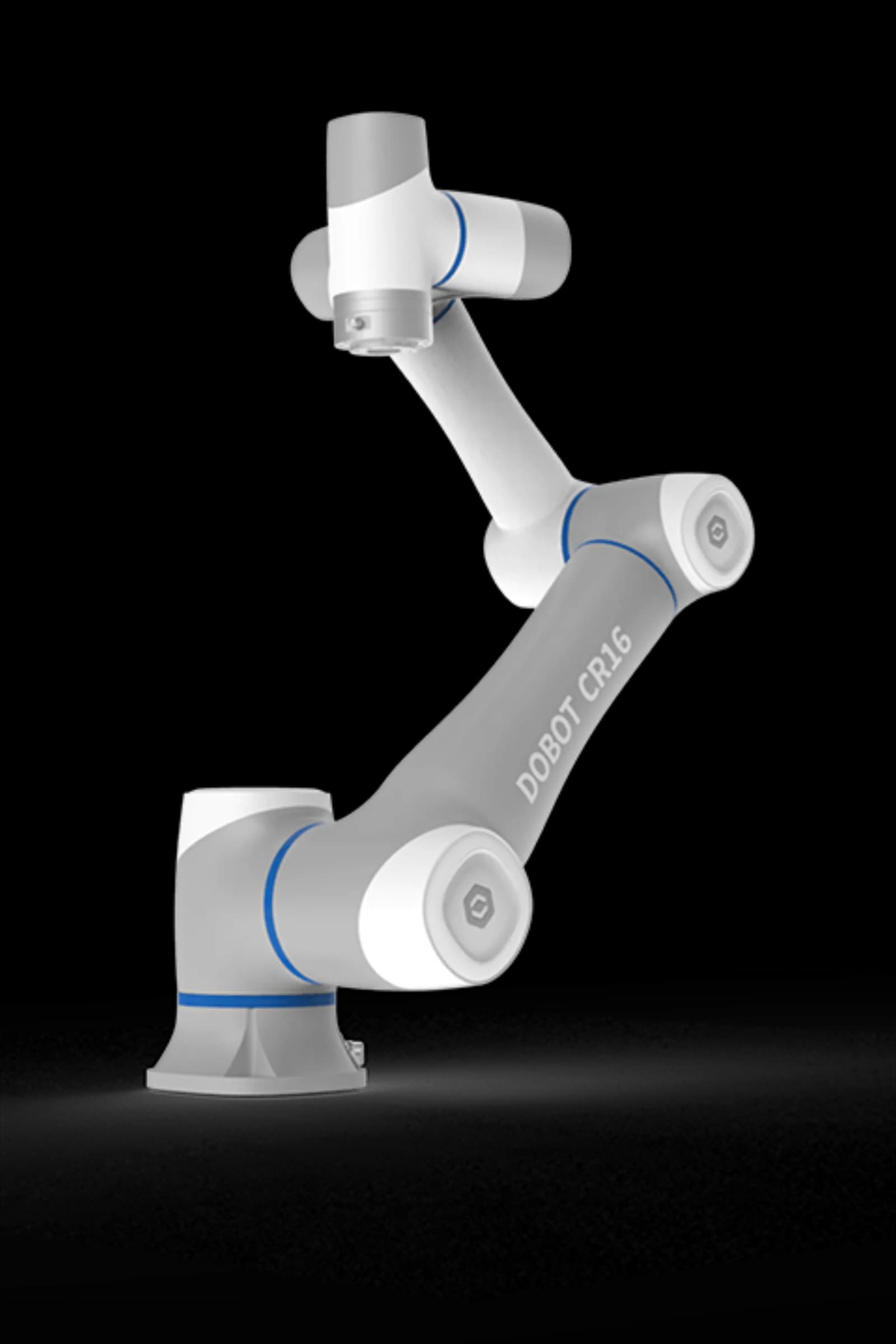
Dobot
Six-axis collaborative robot arm in Dobot's CR series, designed for heavier handling and palletizing tasks in safe human-robot collaboration.
$27,000 – $36,000
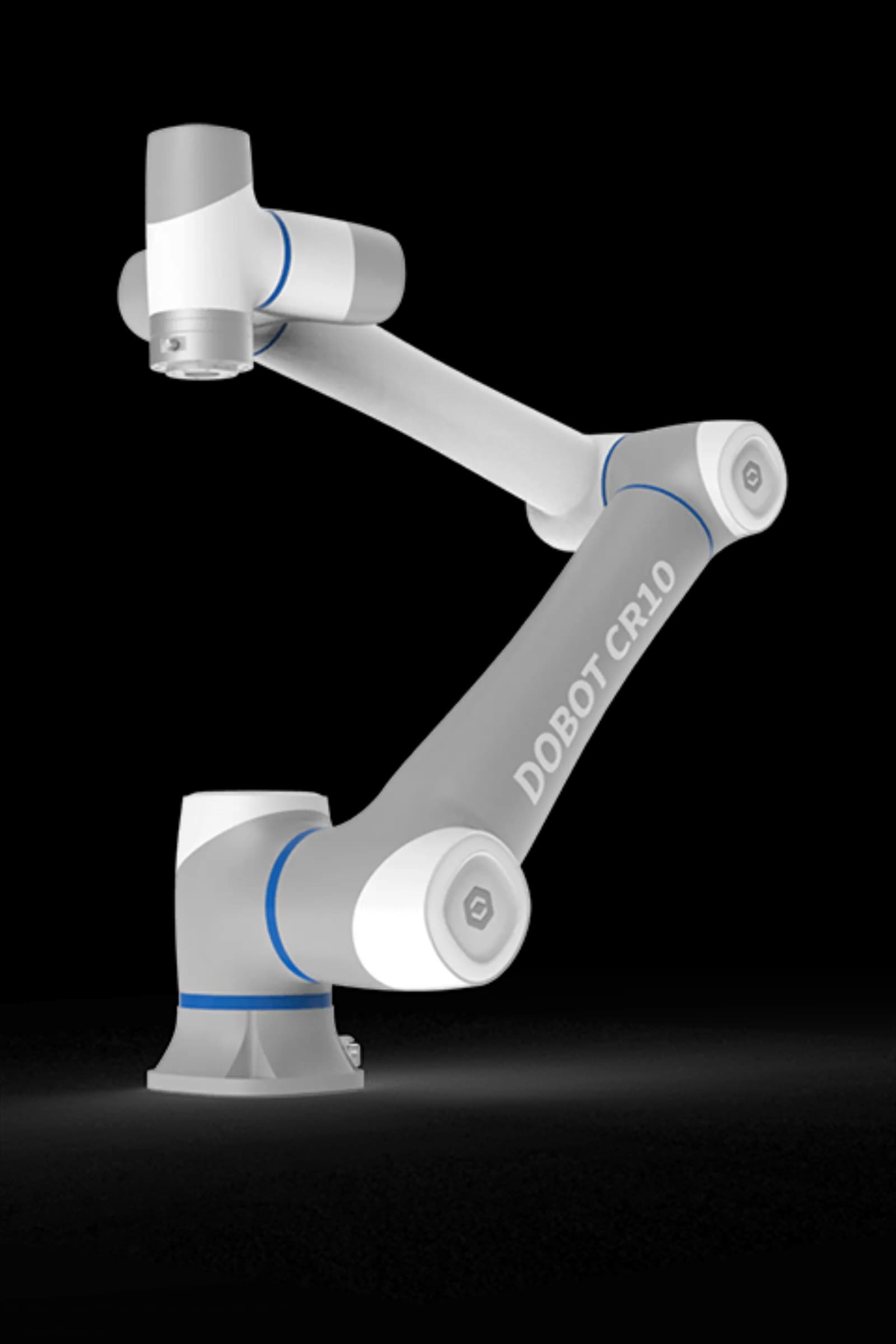
Dobot
Dobot's CR-series six-axis collaborative robot for palletizing, loading/unloading, and transfer tasks, designed for safe human-robot collaboration.
$24,000 – $33,000
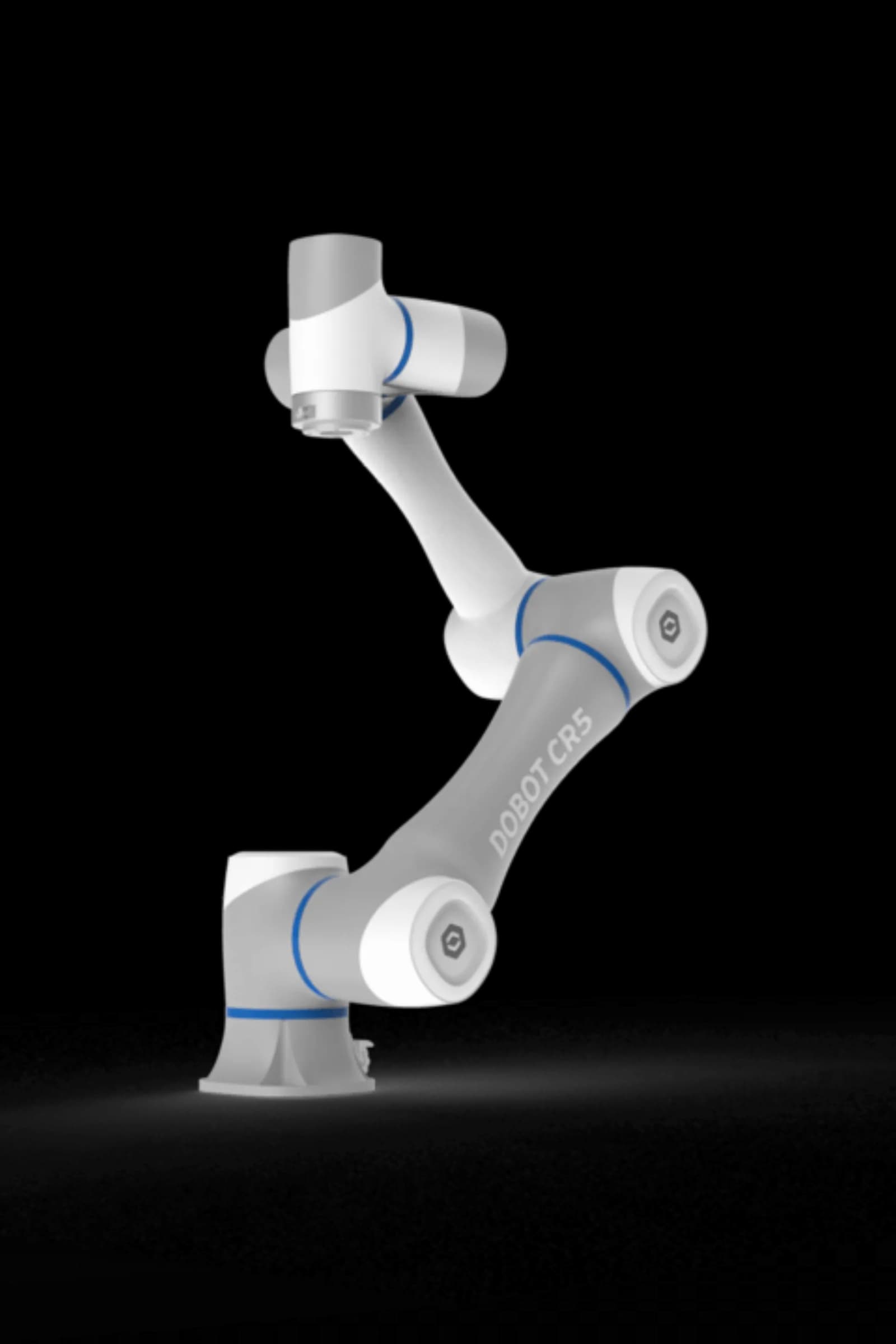
Dobot
An affordable six-axis collaborative robot arm from Dobot, designed for easy deployment in assembly, dispensing, and material-handling tasks at small and medium businesses.
$17,000 – $24,000
Yes — cobots are mature commercial products with worldwide distributor networks, and several makers now publish list prices. The comparison table on this page shows the current buying status of every collaborative robot RoboZaps tracks, from small desktop-class cobots to palletizing-class machines.
The arm itself spans roughly an order of magnitude across payload tiers, and the deployed cell — gripper, safety assessment, integration, commissioning — typically costs a multiple of the arm. Every arm price in the table above is source-verified and labelled with its basis, so you can separate published list prices from reported estimates before budgeting the full cell.
Through the maker's authorized distributor or a certified system integrator in your region. Distributors quote hardware; integrators quote working cells. Each product page on RoboZaps records the current sales route with the source that proves it, so you can start with the right channel instead of a contact form.
Cobots carry certified safety functions — force and speed limiting, hand-guiding, safeguarded stop — that let them share a workspace with people after a risk assessment, trading cycle speed for that flexibility. Traditional industrial robots are faster and stronger but must be fenced or light-curtained. The right choice follows from the task's speed, payload and human-proximity requirements.
The recurring surprises are the end-effector, the safety and risk assessment, fixturing, integration labour, software licences and operator training. None of these appear in the arm's list price, all of them are required for a production cell, and integrators price them per application — which is why the quote checklist on this page matters more than any headline figure.
Start from the task, not the brand: measure the part weight, reach envelope and cycle-time target, then shortlist the payload tier that fits across the makers in the table. For first deployments, the depth of the local distributor and integrator network matters as much as the hardware — support proximity is what keeps a first cell running.
RoboZaps tracks what's actually changing in robotics: prices, availability and real deployments, verified, with the evidence. Free to follow up to 3 robots.
Not ready to spend anything? Start with the free US deployability report.