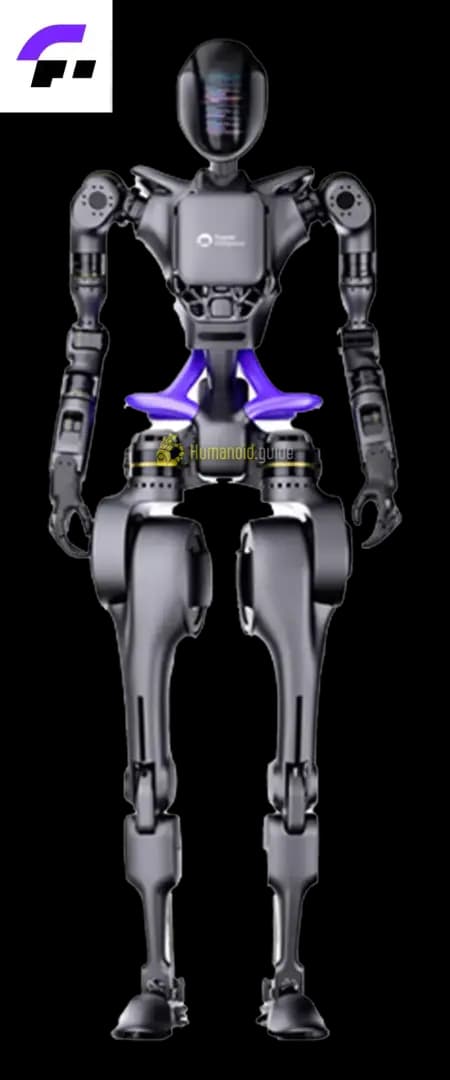
GR-1
Contact for pricing
The Fourier Intelligence GR-1 is a general-purpose bipedal humanoid robot developed by a Shanghai company with deep roots in rehabilitation exoskeletons and medical robotics. Unveiled at the World AI Conference in July 2023, the GR-1 stands 165 cm and weighs 55 kg with 40 degrees of freedom and a walking speed of 5 km/h. Availability is currently limited to R&D deployment with select universities and AI companies.
RoboZaps evaluation note
Buyer-side view of GR-1
RoboZaps reviews GR-1 as part of a broader robot shortlist, not as a single-vendor pitch. Buyers should compare availability, deployment maturity, support terms, integration work, and total cost before committing.
- Spec sources
- 0 linked
- Last verified
- Not verified
- Availability
- paid deployment
- Support caveat
- Verify local training, maintenance, parts, and uptime terms.
Best fit
Teams that need to compare GR-1 against otherhumanoids options with deployment readiness, commercial terms, and support assumptions made explicit.
Not best fit
Buyers who need a guaranteed off-the-shelf deployment before confirming current availability, integrator coverage, site readiness, and post-sale support ownership.
Commercial review before shortlist
Before recommending a robot, RoboZaps checks whether the commercial and lifecycle picture is clear enough for a buyer to act.
- price range
- availability
- lead time
- support terms
- deployment readiness
- training needs
- maintenance risk
- source quality
Buyer-intent resources
Start with the database when you need current records, then use the buyer guides for sourcing, procurement, deployment support, and shortlist context.
Estimated lead time: 12 weeks
Overview
GR-1 blends steady bipedal locomotion with capable two-arm manipulation for real-world tasks—moving through hallways, climbing steps, and handling small items with repeatable precision. Its perception-driven stack supports safe navigation around people and clutter, while human-scale proportions enable tool reach and workstation access without major re-tooling. Positioned for healthcare pilots, research programs, and light industrial assistance, GR-1 is a practical platform for teams exploring humanoid utility beyond stage demos.
Key Features
- Obstacle avoidance
- Standing up after a fall
- Running 100 m
- Walking up and down stairs
- Jumping and controlled landing
- Sorting in logistics flows
- Assembly assistance
- Loading/unloading a dishwasher
- Folding garments
- Threading a needle
- Height: 165 cm
- Weight: 55 kg
- Max Speed: 5 km/h
- Walking Speed: 3 km/h
- Strength (Payload): 15 kg
- Runtime per Charge: ~2 hours
- Overall Degrees of Freedom: 25
- Hand Degrees of Freedom: N/A
- Safe with Humans: N/A
- CPU/GPU / OS / Connectivity / Cameras / IP rating / LLM Integration / Latency / Motor & Gear Tech / Materials / Fingers / Main Market: N/A
- H.G. Skill Score (official): 5 (spec table)
- Verification Status: Not verified
- Shipping Size / Color: N/A
Technical Specifications
Total: 6/10 — Navigation 3/5 + Manipulation 3/5.
Rehabilitation Engineering Heritage in a Research Humanoid
Fourier Intelligence was founded in 2015 in Shanghai with a focus on rehabilitation exoskeletons and medical robotics. Their existing products — the ExoMotus lower-limb exoskeleton and ArmMotus upper-limb rehabilitation system — required human-safe force control and precision engineering in clinical settings. These foundations carry into the GR-1. The GR-1 was unveiled at the World AI Conference in Shanghai in July 2023 and is compatible with ROS, making it accessible to the broader academic robotics community.
Key Technical Features
- 40 degrees of freedom enabling human-like whole-body movement
- FSA-series electric actuators throughout the body
- ROS-compatible SDK lowering the barrier for academic research teams
- Force-torque sensing inherited from rehabilitation robotics for safe physical interaction
- Camera array for environment awareness and object recognition
- IMU for balance and orientation sensing
- Walking speed of 5 km/h (3.1 mph)
- 165 cm height — human-scale proportions
SDK, ROS Compatibility, and Developer Access
Fourier provides a proprietary SDK with full ROS compatibility — a significant practical advantage for research institutions. Developers can leverage existing open-source robotics tools, algorithms, and simulation environments. The platform supports vision-based manipulation, autonomous navigation with obstacle avoidance, and force-controlled interaction. The rehabilitation engineering background means force-torque sensing and compliant control are native capabilities.
Research and Academic Applications
The GR-1 targets universities, AI companies, and research institutions. Primary applications include embodied AI research, human-robot interaction studies, manipulation research for dexterous task learning, and bipedal locomotion algorithm development. Fourier's rehabilitation background also creates potential for healthcare-adjacent research — mobility support studies and clinical HRI.
Videos
Deployment Evidence
Fourier GRX Client SDK — GitHub
Fourier Intelligence released the GRX client SDK for GR-1/GR-2 on GitHub with Python package on PyPI, confirming commercial availability and developer ecosystem.
Deployment Readiness
Integration & SDK
- ROS Support
- Supported
- SDK Available
- Supported
- API Docs
- View Docs
- Supported Platforms
- Linux, ROS, Python (fourier-grx on PyPI), NVIDIA Isaac Lab
Support & Service
Regions
| Tier | Response Time | SLA |
|---|---|---|
| Standard | 72 hrs | — |
Specifications
Mechanics
| Degrees of Freedom | 40 |
| Locomotion | Bipedal |
Performance
| Max Speed | 1.39 m/s |
| Payload Capacity | 50 kg |
Physical
| Weight | 55 kg |
| Height | 1650 mm |
Sensing
| Sensors | Depth cameras, force sensors, IMU |
Similar Robots
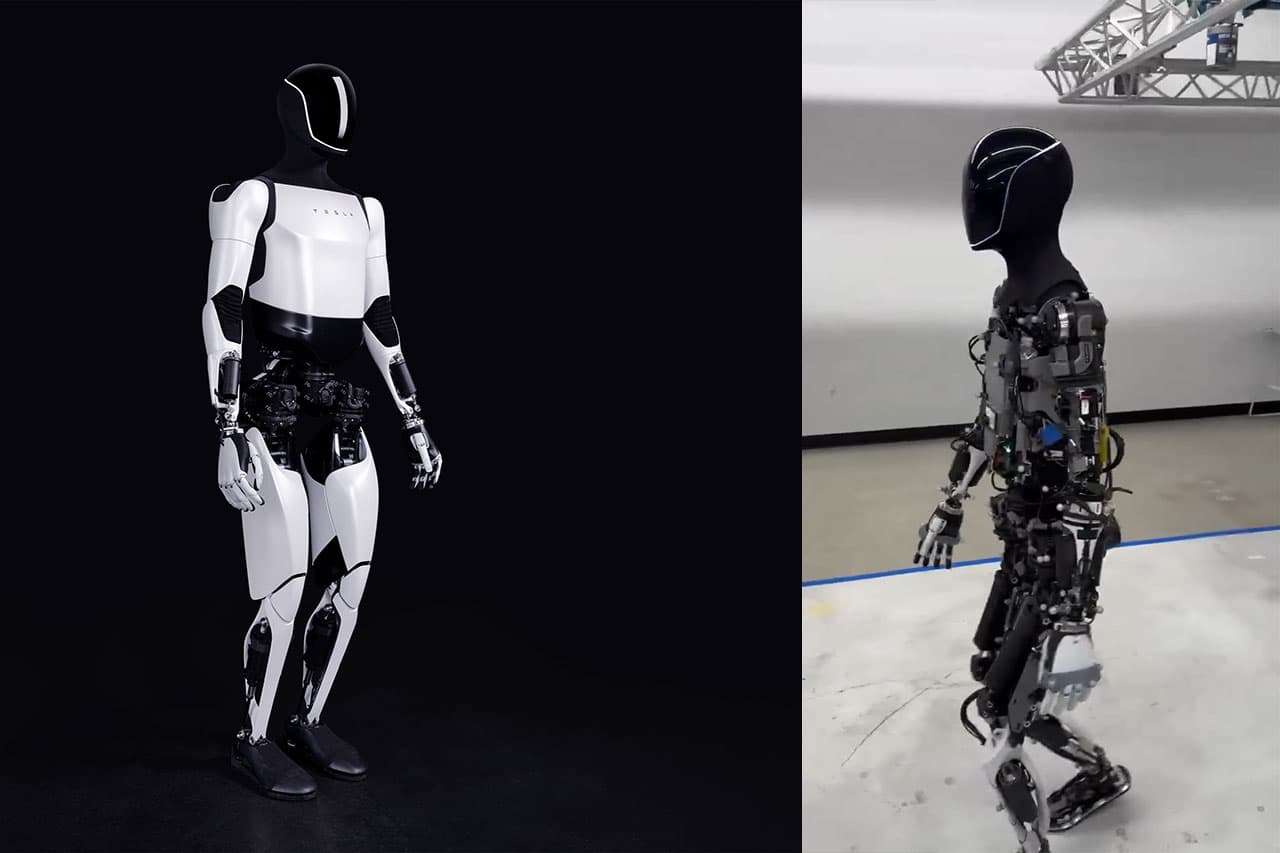
Tesla Optimus Gen 3
Tesla
Tesla Optimus Gen 3 available on Robozaps.
From $25,000
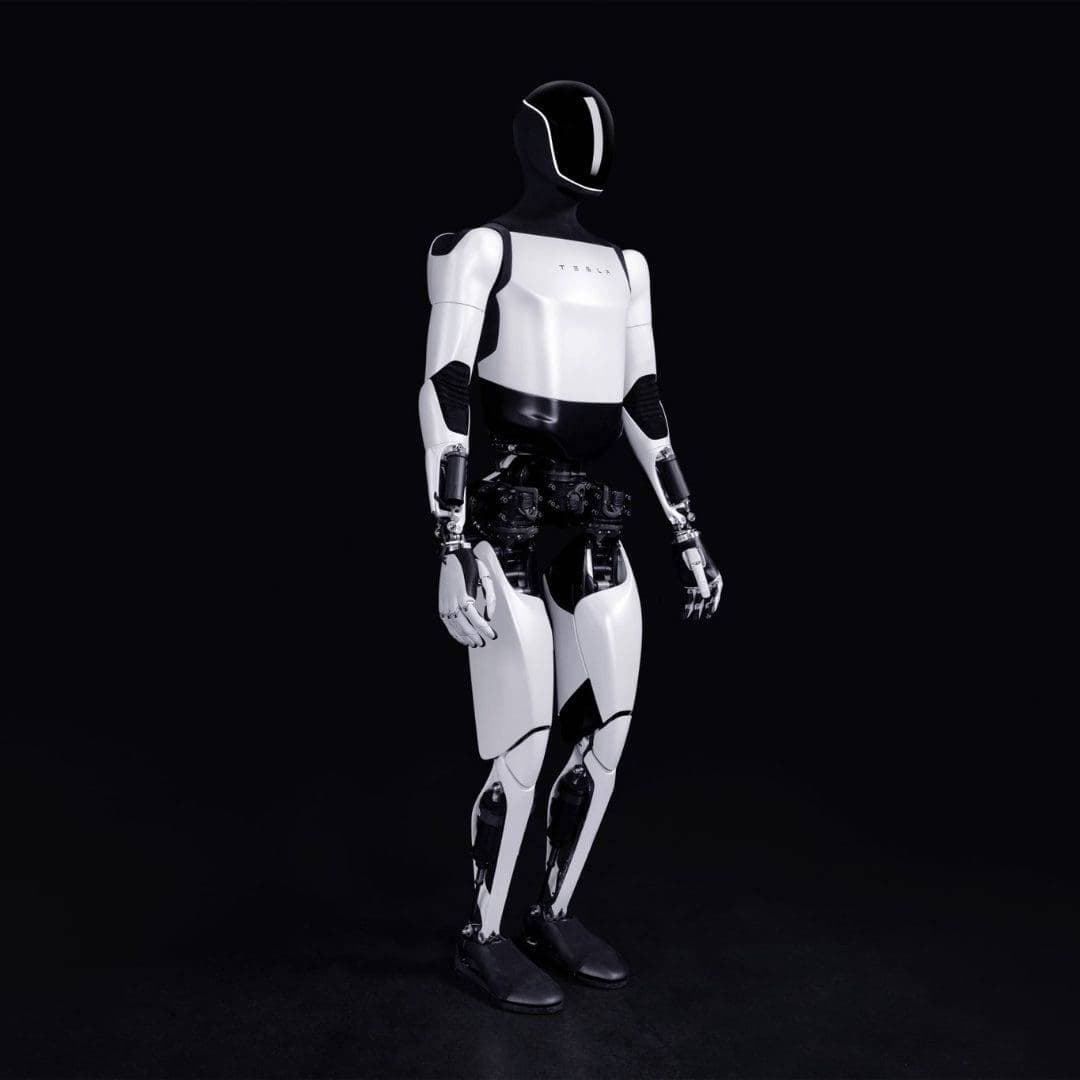
Tesla Optimus Gen 2
Tesla
Tesla Optimus Gen 2 available on Robozaps.
From $20,000
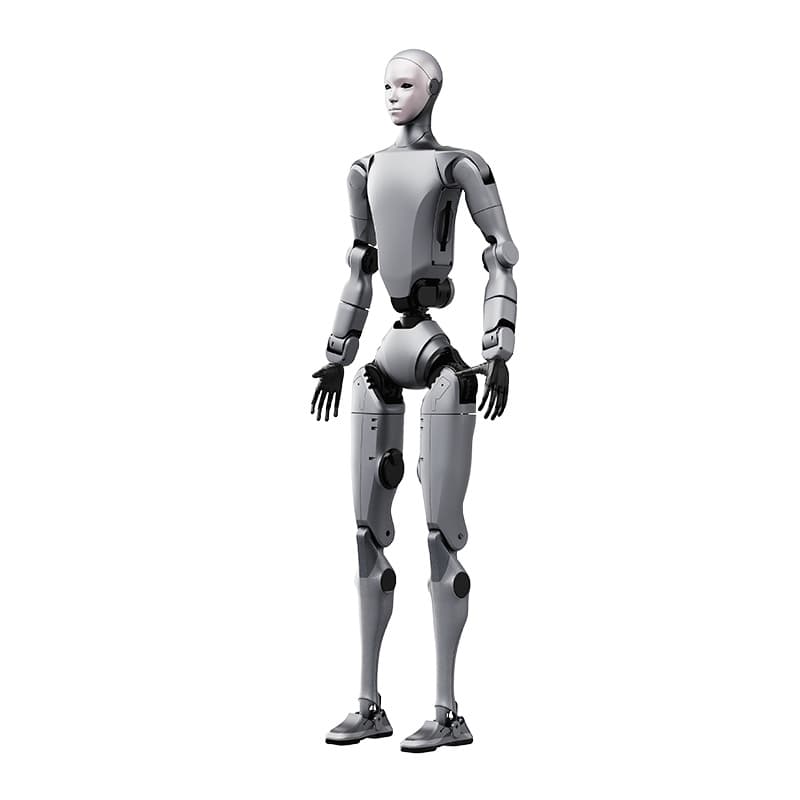
Unitree H2
Unitree Robotics
Unitree H2 robot for commercial applications.
From $29,900
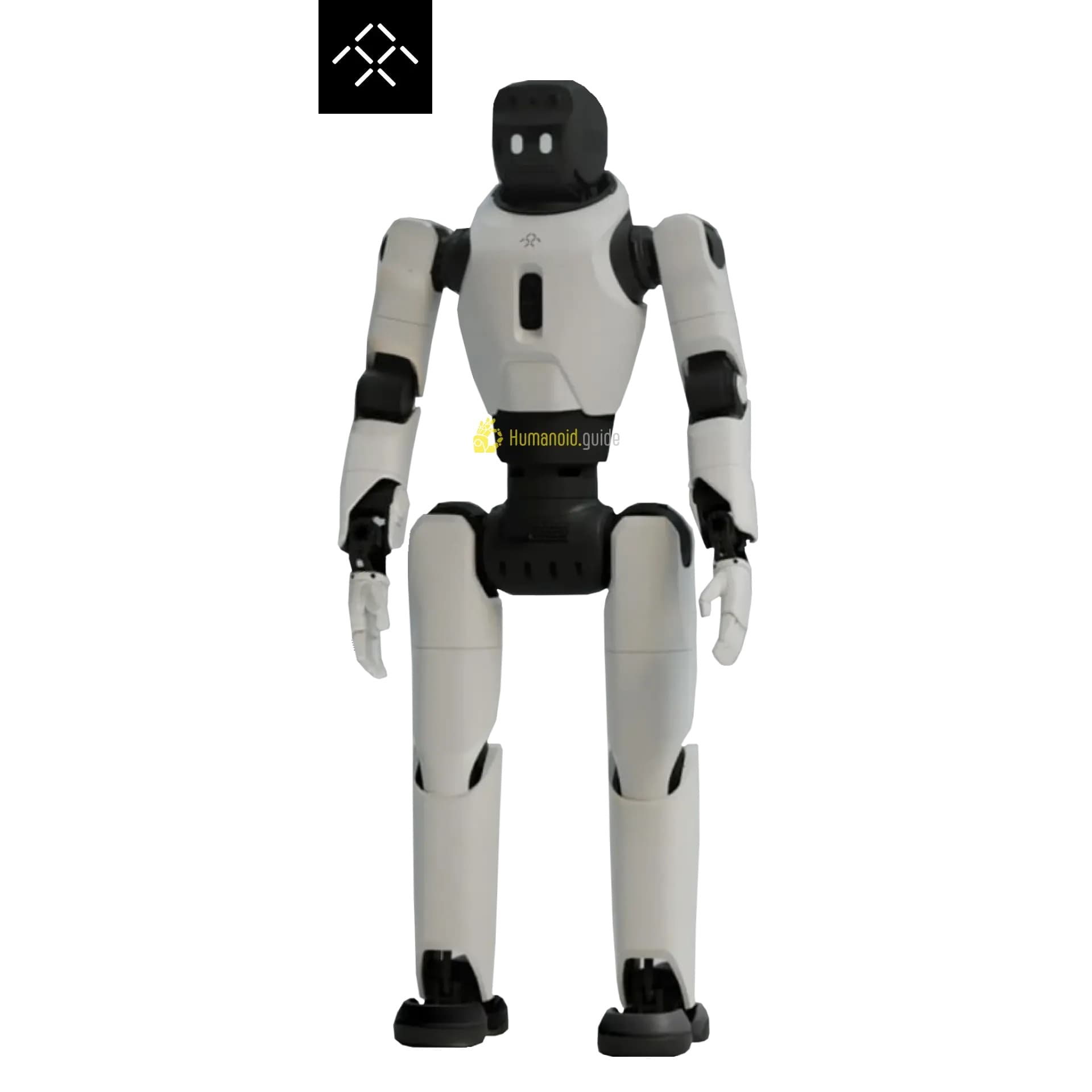
FF Master
Faraday Future
FF Master robot for commercial applications.
From $23,000
Ask RoboZaps to compare GR-1 for your workflow
Share the workflow, site constraints, budget, geography, and timeline. RoboZaps will help compare the right category, manufacturer, sourcing path, and deployment risks.
Ready to deploy GR-1?
Tell us about your use case and we'll help you evaluate this solution.