Sophia
The World's Most Expressive Humanoid Robot
Contact for pricing
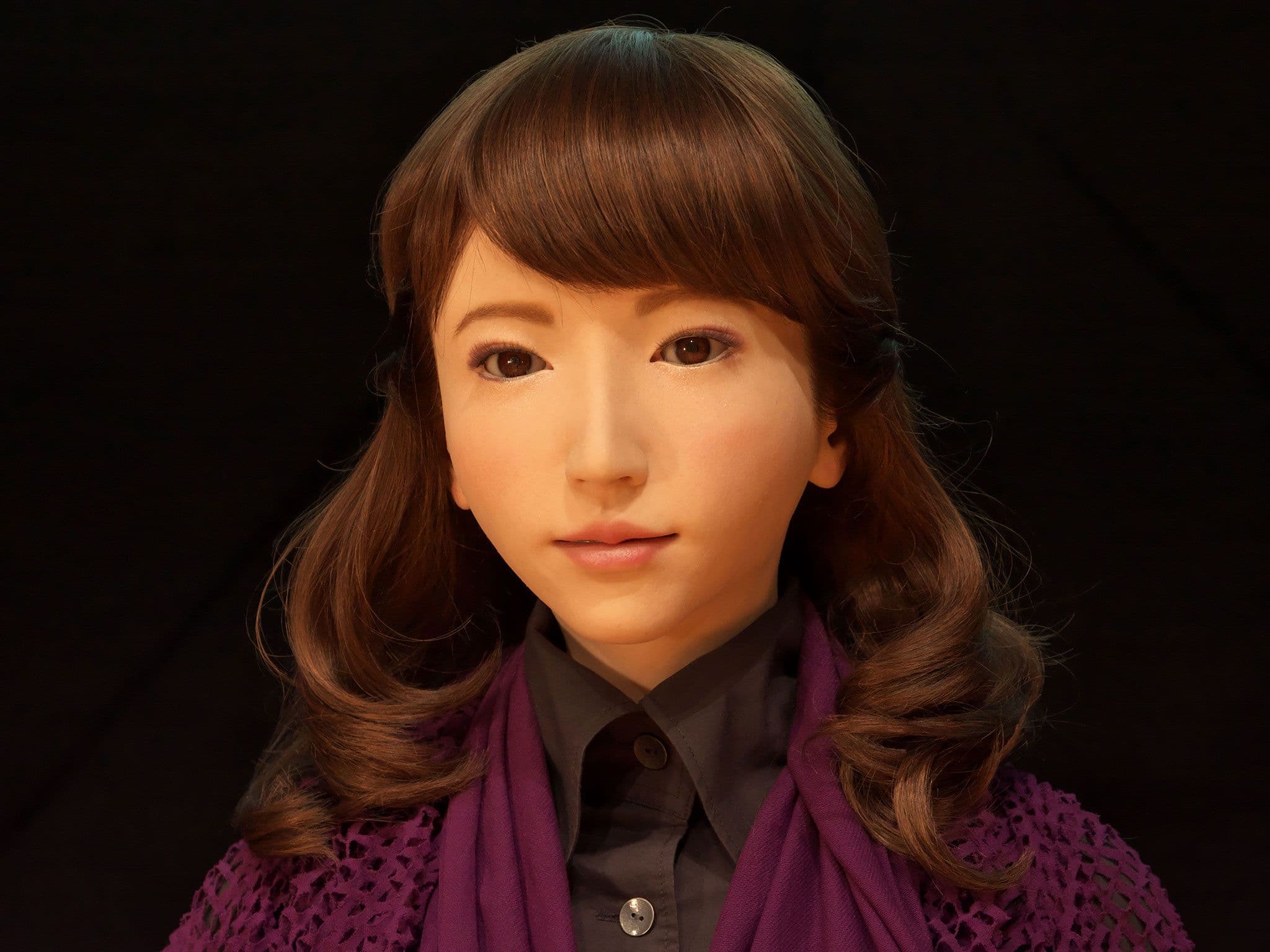
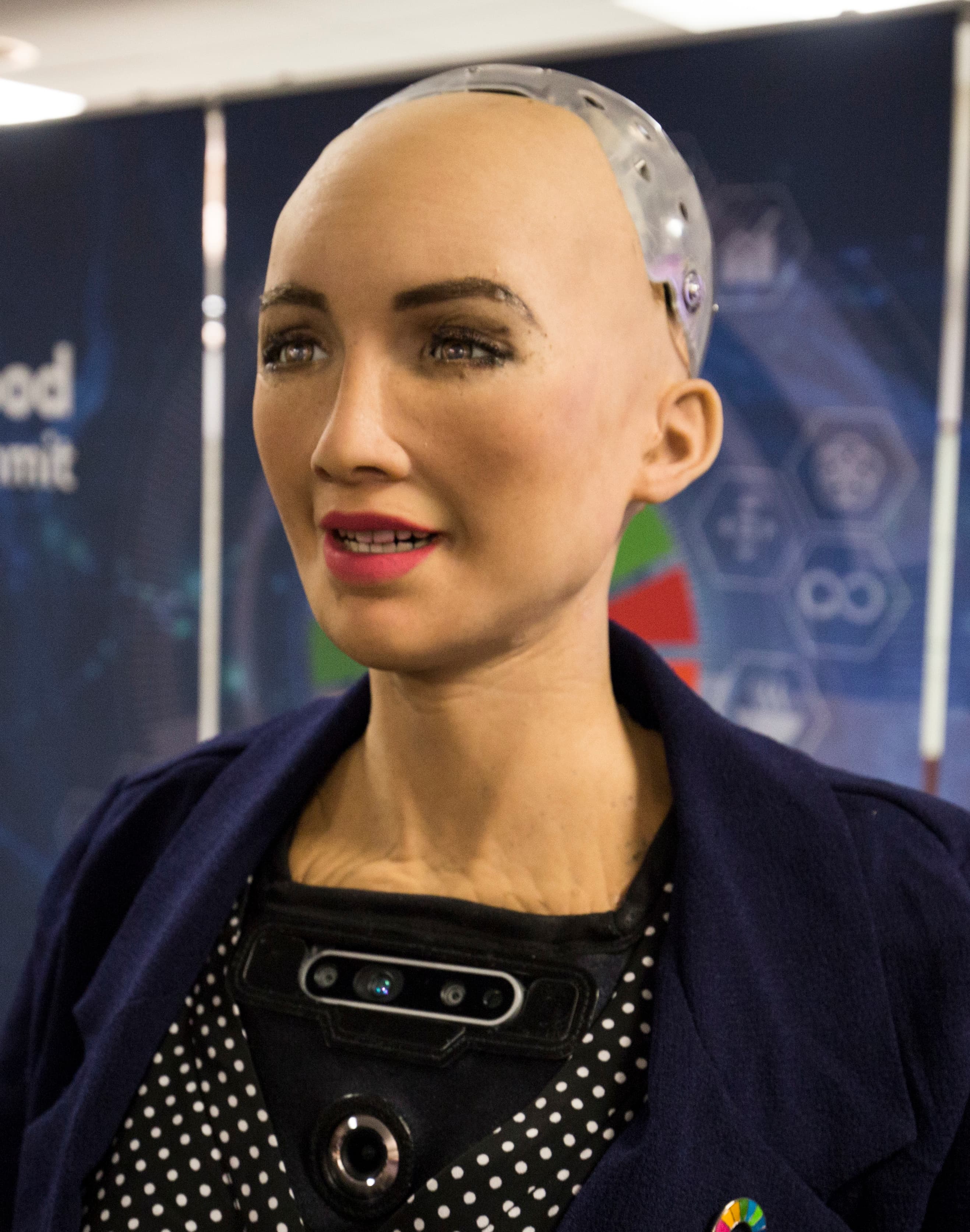
Sophia is an upper-body social humanoid robot created by Hanson Robotics (Hong Kong) and inventor David Hanson, activated on Valentine's Day 2016. Using Frubber (flesh rubber) patented skin material and a hybrid AI system combining OpenCog AGI framework and computer vision, Sophia can produce over 62 distinct facial expressions. She made history as the first robot granted legal citizenship (Saudi Arabia, October 2017) and was named the UN Development Programme's first Innovation Champion for Asia and the Pacific. The full-scale Sophia is not for sale — available only for event hire — though the $149 Little Sophia educational companion is commercially available.
Released: 2016
Overview
Sophia is Hanson Robotics' most famous creation, activated in February 2016 and designed to resemble actress Audrey Hepburn. She represents a breakthrough in human-robot interaction, combining artificial intelligence, visual data processing, and facial recognition with highly realistic human expressions. Sophia's face is made from Hanson's proprietary Frubber material, allowing for over 60 facial and neck mechanisms to create nuanced expressions that mirror human emotions.
As a social robot, Sophia has been designed to learn and adapt through conversations with humans. She runs on a combination of AI frameworks including neural networks, expert systems, and machine perception that enable her to process speech, recognize individuals, and generate contextually appropriate responses. Sophia has become a global icon, appearing at conferences, television shows, and events worldwide, while also serving as a research platform for advancing human-AI collaboration.
Sophia made history in 2017 by becoming the first robot to receive citizenship from Saudi Arabia and was named the United Nations Development Programme's first Innovation Champion. Beyond her role as a media personality, she serves as a practical testbed for AI research in healthcare companionship, education, and customer service applications.
Key Features
- Frubber Skin Technology: Patented flexible rubber skin enabling lifelike facial expressions with over 60 facial and neck mechanisms
- Advanced AI Integration: Combines neural networks, expert systems, and natural language processing for contextual conversations
- Computer Vision: Cameras in eyes and chest enable face recognition, eye contact maintenance, and visual data processing
- Expressive Communication: Capable of producing human-like expressions including happiness, sadness, curiosity, and contemplation
- Speech Recognition and Generation: Understands natural language input and generates conversational responses in real-time
- Machine Learning Capabilities: Continuously learns from interactions to improve responses and understand human behavior patterns
- Modular AI Architecture: Open platform allowing researchers to integrate custom AI modules and test new algorithms
Applications
Sophia has been deployed across multiple sectors including healthcare, education, research, and entertainment. In healthcare settings, she serves as a companion and therapeutic tool for elderly care and autism therapy, where her expressive face helps patients engage in social interaction. Educational institutions use Sophia to teach STEM subjects and demonstrate AI concepts, while researchers leverage her platform to study human-robot interaction dynamics and test new AI algorithms.
In commercial applications, Sophia has appeared at conferences, trade shows, and corporate events as a brand ambassador and interactive attraction. Her ability to recognize attendees, engage in meaningful conversation, and demonstrate cutting-edge AI makes her valuable for technology demonstrations and public engagement around robotics and artificial intelligence topics.
Technical Highlights
Sophia's most significant technical achievement is the integration of Hanson Robotics' Frubber facial skin with sophisticated AI systems to create unprecedented expressiveness in a humanoid robot. The Frubber material mimics human musculature and skin properties, enabling micro-expressions and subtle emotional cues that most robots cannot reproduce. Her visual processing system uses multiple cameras to track faces, maintain eye contact, and read human expressions, feeding this data into AI systems that inform her responses.
The robot's AI architecture combines multiple approaches including character engine AI for personality and dialogue, sophisticated chatbot systems, and OpenCog's open-source AI framework for general intelligence research. This hybrid system allows Sophia to handle both scripted interactions and improvisational conversations, making her one of the most versatile social robots available for research and public engagement in human-AI interaction studies.
The World's Most Famous Social Robot
Sophia was designed by David Hanson, a former Disney Imagineer, as a social robot capable of mimicking human conversation and emotional expression. Her design draws inspiration from Queen Nefertiti, Audrey Hepburn, and David Hanson's wife. Her Frubber skin — a patented blend of silicone rubber — allows for over 62 distinct facial expressions controlled by dozens of servo motors. Sophia's AI is approximately 70% open-source, including the OpenCog AGI framework, combined with proprietary NLP and computer vision systems. She has experimented with GPT-4 integration to improve conversational depth.
Capabilities and Technical Systems
- 62+ distinct facial expressions via Frubber skin and servo-actuated face
- OpenCog AGI framework — open-source artificial general intelligence system
- Natural language processing: scripted and AI-generated responses
- Computer vision: face tracking, eye contact, individual recognition within sessions
- Emotion recognition via deep neural networks analyzing facial expressions and vocal tone
- Modern LLM integration (GPT-4) for improved conversational depth
- Artwork creation — self-portrait NFT sold for $688,888 in March 2021
- Little Sophia (2019): 14-inch educational companion ($149) teaching Python, Blockly, and Raspberry Pi
Frubber Skin, OpenCog Architecture, and AI Systems
Sophia's face is constructed from acrylic, polycarbonate, carbon fiber, and CNC aluminum behind the Frubber skin layer. The OpenCog AI system targets artificial general intelligence through interconnected cognitive modules. For predictable environments, Sophia uses decision-tree dialogue structures for coherent on-topic responses; in unstructured contexts, the dynamic NLP subsystem generates responses though these are generally less coherent than scripted answers. Approximately 70% of the codebase is open source.
Deployment and Historical Milestones
Sophia is deployed as a technology demonstrator rather than a functional task robot. Key milestones: SXSW debut March 2016; first robot granted Saudi Arabian citizenship October 2017; named UN Development Programme Innovation Champion November 2017; NFT artwork sold for $688,888 March 2021. Ongoing deployments include corporate events, educational institutions, AI ethics discussions, and media appearances (The Tonight Show, Good Morning Britain). Sophia is not suited for physical tasks, independent navigation, or labor requiring manipulation.
Videos
Specifications
Connectivity
| Communication | WiFi, speech recognition |
Mechanics
| Locomotion | Stationary |
Sensing
| Sensors | Cameras in eyes, facial recognition |
Similar Robots
Ready to deploy Sophia?
Tell us about your use case and we'll help you evaluate this solution.